
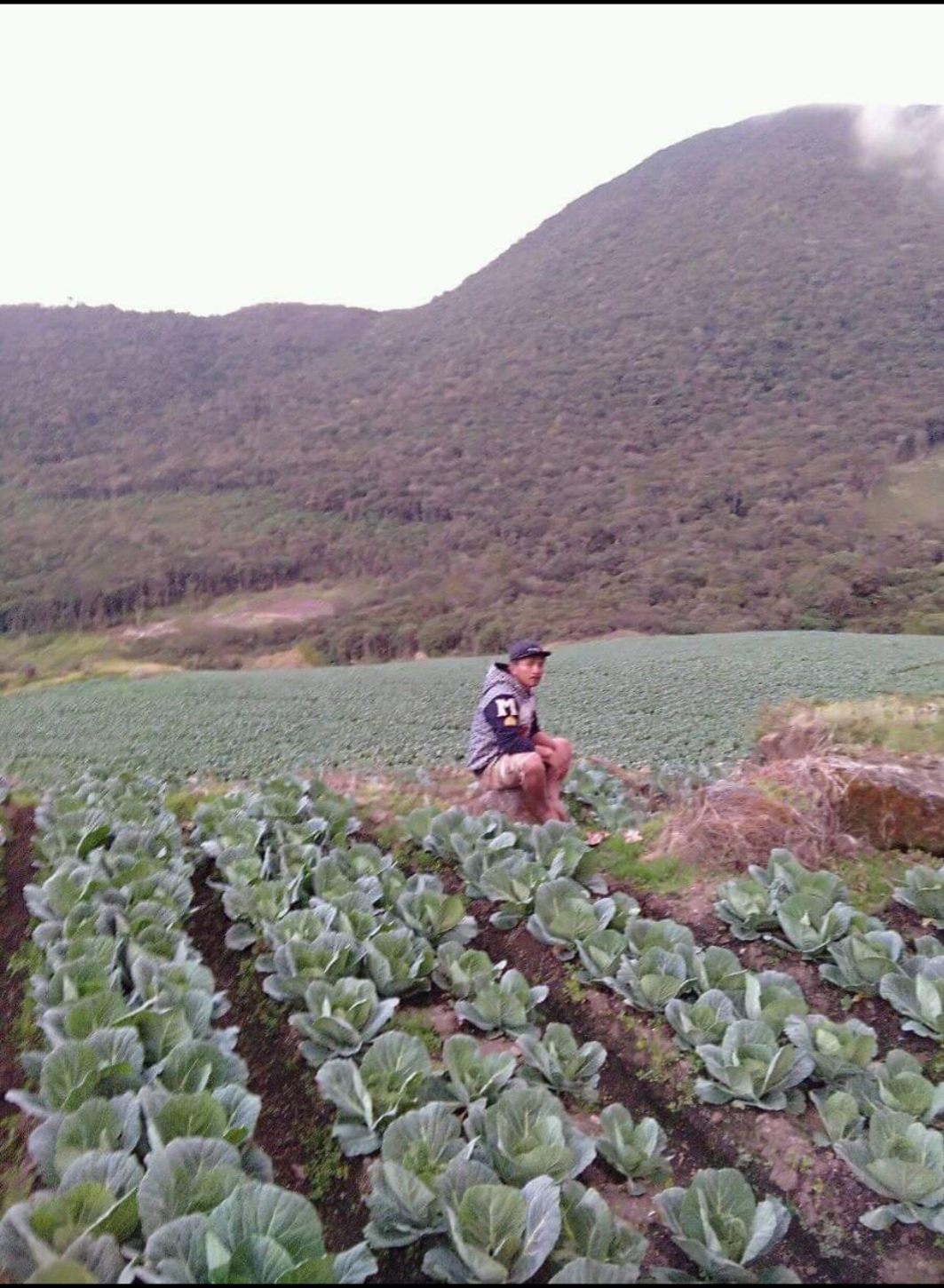
Photo credit to my cuz Juriel Jake–I used to work with my parents and siblings in this parcel of land near tabeyo lake.
I grew up in a mountainous and secluded part of Benguet where 95% of livelihood is vegetable farming. Growing up, I observed how neighbors helped each other, especially during trial times.
‘Obu-an’ is among the traditions in our place which I like while growing up. This is synonymous to the Filipino tradition, Bayanihan. When I was younger, I wished this practice won’t diminish and will be pass on to the next generations to come.
There are numerous situations when Obu-an happen. I remember when I was a kid, our relatives and neighbors will help with our farm–from plowing the vegetable plots, planting, tending and harvesting. Say 3 members of our neighbor’s family helped us, then 3 members or more of our family will help them, too. The best thing about it aside from lending a hand is there’s no monetary compensation involve–if the hosting family will offer lunch and snacks, we’ll and good, but if not then everyone will have a packed lunch which is being shared.
We do not only observe Obu-an when we help each other in our farms, but also seems like there’s a silent commitment of each folk in the Barangay to render help when someone dies. Men and women alike have their own roles during this hard time. Automatically, men will go out and gather pinewoods to use for cooking, some who have skills in carpentry will make a coffin, and others will make sure the tomb is ready before the burial, which usually happens on either the 5th or 7th day of the wake. Women, on the other hand help in cooking, and make sure to serve the food atleast once a day to all people who go to the wake. They also brew coffee and make sure that snacks are prepared for those who stay awake at night at the wake. All other works that need to be done are completed without complaints.
We only do not observe this kind of Bayanihan during trying times, but also during especial occasions such as weddings and canao’s (thanks giving).
Also, one of the things which moved me was what happened after the destructive typhoon Ompong. Kabayan was among the places in Benguet which experienced the wrath of Ompong. Not only the men who made sure that all roads will be cleared of land slides, but women brought their own shovel to help out clear the roads. Families gathered to help those whose farms eroded and houses destroyed.
Though we are saddened due to the many lives we lost during the typhoon, I am still grateful that this kind of tradition lives upto this day, considering the modernize and technologically driven world we live in.
I hope the next generation gets to experience this kind of commitment to be of help when needed.
 Bevz' Tidbits
Hi, Bevz! This practice was presented by my students in our purposive comm class and I appreciate how your community keeps this practice alive. ‘Obu-an’ is one of the markers of your identity as an i-Kabayan.. Further, my office has organized a relief operation for the victims of Typhoon Ompong in your place. Maybe I can tap you?
LikeLike
Hi sir Peter, sure thing, you can. And I am glad that ur office has organized a relief operation for our kakailyans 😊
LikeLike