Thinking Out Loud

Been a while…was busy with life..but not quite.

The first quarter of 2020 in the Philippines and some other part of the world was chaotic. December 2019 started the outbreak for coronavirus or COVID 19 disease in Wuhan, China. January 2020 our Batangueno fellows and other Filipinos living nearby Taal volcano had a hard time dealing with the aftermath of the eruption of the said volcano. Not a month long after, the COVID disease affected the Philippines.

In March, Manila started with the lockdown, a day after, the entire Luzon was placed in an Enhanced Community Quarantine. This is a new experience for the millennials. And in every new experience, good or bad, there are mixed reactions. Amidst the global pandemic challenges, our politicians give more importance on power struggle. They all want to be on the spotlight. Everyone became lawyers, politics experts, health and economy experts overnight. More fake news on social media, biased broadcast in the mainstream media…and whole lot more BS the world can take.

They say COVID brought silverlinings..that the earth is healing from human abuses.. that families now eat together due to the quarantine..maybe it is a good thing. But having this pandemic, though mortality rate is lower than other diseases cause by virus, is harmful and dangerous. It doesnt kill more people because of the virus but it killed people because of lack of common sense and awareness.

When the President declared health emergency and lockdown…many didnt listen..until someone tested positive..until someone died. Sadly, those who died were doctors ( whom we need in this pandemic). We are at the 3rd week of ECQ. Some curves in some areas of the country like in Baguio is going flat. ( hoping for a better result in the upcoming weeks). But what if this goes on? Did you ever think of what will happen to us? We are barely hanging on. People, not because they dont listen, but because of extreme need are taking the risk to work to provide food for their family. What if this will drag on? I dont want to imagine the possibilities. But I am also hopeful that this, too shall pass. Religious people call it a wake up call, non believers say its another global pandemic like SARS and Mers previously ( which we overcame). Whatever it is, coronavirus made me realize that the more advance we become in technologies, the lesser common sense we have. We opted to believe in fake news and panic on unverified and unreliable information. We blame each other for bad things that are happening.

It made me also realize that no matter how safe we think we are, if we dont also comply to safety measures, then we arent actually safe at all.

Just thinking out loud after browsing posts on FB 😅

“I Love You…Not”

I was brought up in a very conservative environment. Conservative in life perceptions, conservative in everything. Growing up, my understanding of love is sacred. That if someone loves somebody, that feeling must be pure and true. When the phrase ” I Love You” is uttered, it really comes from the heart. Though these words aren’t spoken too often between lovers, their action show what they felt.

I was speaking of when I was young. Nowadays, these words are easily said but not shown. As per observation and experience, the words are easily said without meaning. Again, I am not speaking in general, but I am basing it on observation. And no, I am not saying it out of being cynical and bitter 😉.

Romance Fraud

As technology advances, so is dating. It has been probably more than a decade when dating is done through swiping left or right then hitting up someone online or thru a dating app. Courting is done thru private messages and thru the different social media platforms. And breaking up is done in the same manner. Gone are the days of courtship.

With this kind of dating, it became more convenient for single people to look for a partner whom they think they are compatible with. Convenience?probably yes. Genuine? Perhaps yes, perhaps no.

I recently read an article from the FBI’s internet crime post about Romance Fraud. And yes there is such a thing. When you finish reading this, you might realize that once or twice in your life, you were defrauded.

There are hundreds of online dating apps due to millions of people around the globe who use these them. This opens a gate for fraudsters to take advantage of other people, especially the elderly and gullible men and women. According to the article I’ve read, romance fraud is among the top 10 internet crimes in the United States. And about 15 billion dollar loses since 2015. And this is how it works.

Fraudsters from around the globe join different dating apps posing as American Soldiers deployed in different countries in the middle east and nearby countries. They post real american soldier photos in their accounts. They usually target elderly women in the US and other parts of the world. These women were either divorced or widowed, and of course, single. They now get the empathy and the trust of these women by their dramatical stories, like they are also widowers and that they left their small children because of their duty to their country. They will then make these women believe that they are in love and that they are in a real relationship.

Until such time, say after a couple of months or so, they will start saying that they will get a vacation to go visit these women, and that these women need to help them process their vacation with their Commanding Officers. And they will ask for money from these women, which they will say will be fully refunded after they get to the US. These women then will wire money since they believed those men (fraudsters). And yes, there were thousands and thousands of women who were victims of this so called romance fraud. not only in the United States but also in other parts of the globe.

Romance Fraud..Local Setting

So why did I say earlier that you might also be a victim? Here’s why. In the local context, some women meet some men in bars, online or anywhere. Now after exchanging phone numbers, or adding them to facebook, instagram or other messaging apps, these men start saying they love these women. Take note, this is after a few days of exhanging messages. Some women fell for this. Now, some of these men will also have some stories to tell. A family problem, or someone is sick or what not. Then since they know some of these women have jobs, they would start gaining their trust , and after which, these men will start “borrowing” some money. And yes, some women will give in and lend them any amount because again they just want to help. However, after quite sometime, and after thousands of pesos given, these men will start to disappear without any trace.

I am not saying that this only happen to women, but of course it is also applicable to the opposite sex.

A sad reality. There are people who are blessed with great relationships, and there some who are praying..praying hard for one. And yes, when someone hits them up, they have this hope that that person might be the one.

See, romance fraud is not just fraudsters posing as someone to defraud women/men. But some are real men who take advantage of women and vise versa. They toy with their emotions and financially taking advantage of them.

Be careful ladies, and gents. The world we live in changed drastically. Yes we have to adapt, but we also need to filter and weigh things.

When people say they love you, test if its really true. 😉

My anniversarry piece on word press. Hope you like it.

The Port Of Galleons Escapade

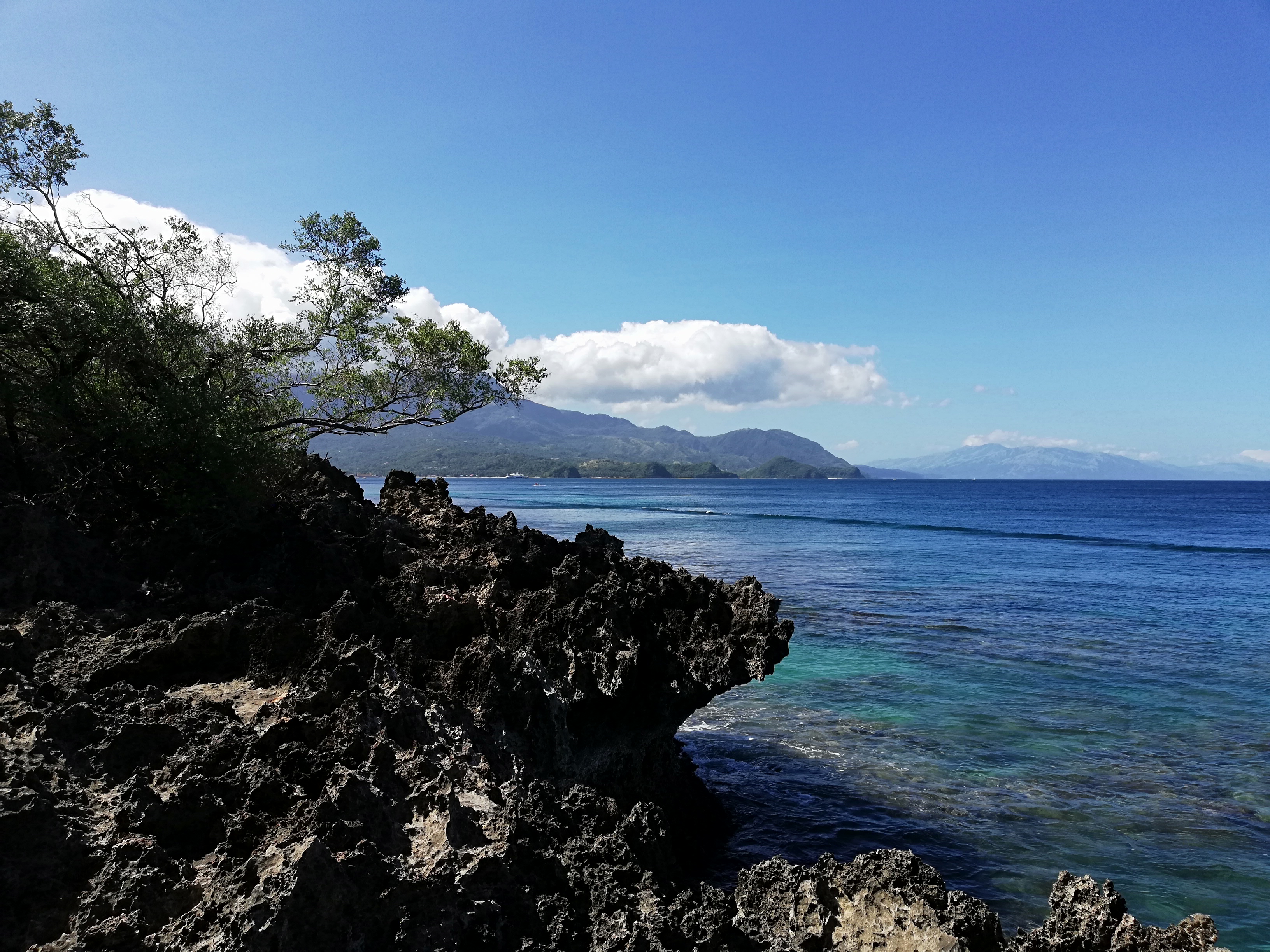
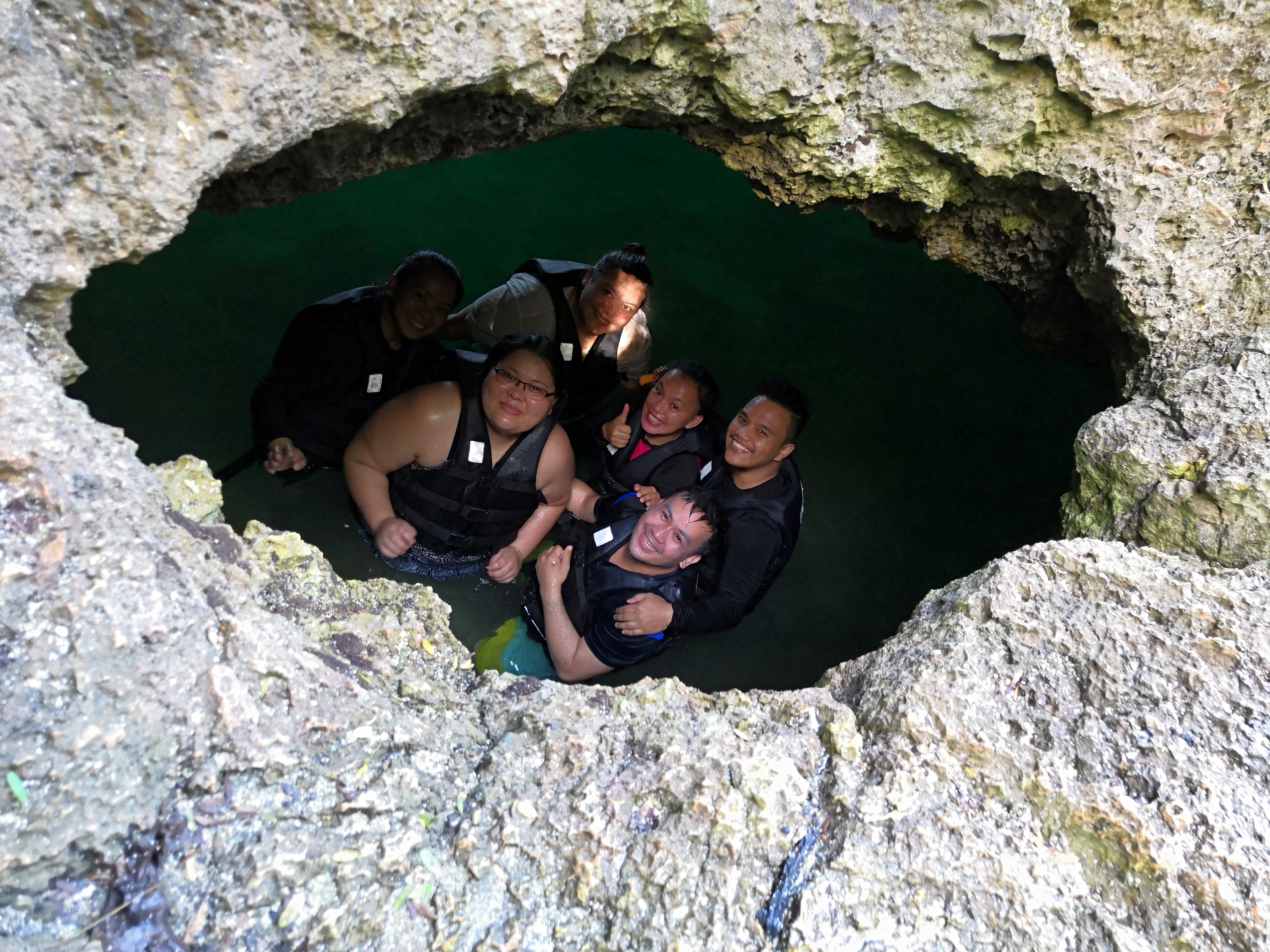
beneath that rock is a small cave and one of the highlights when island hopping

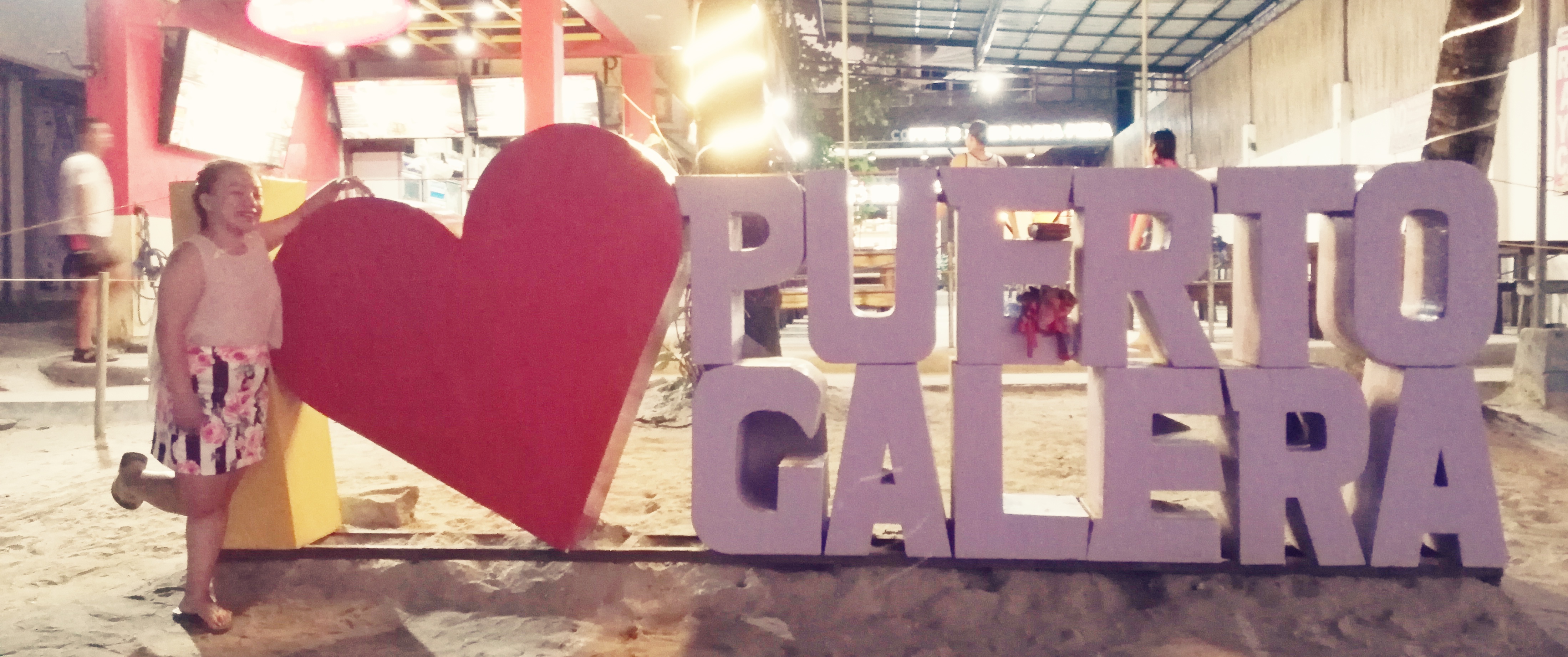
I wanna change the tone a bit on my usual topic. Now I want to write what we experienced on our recent trip to Puerto Gallera in Oriental Mindoro.

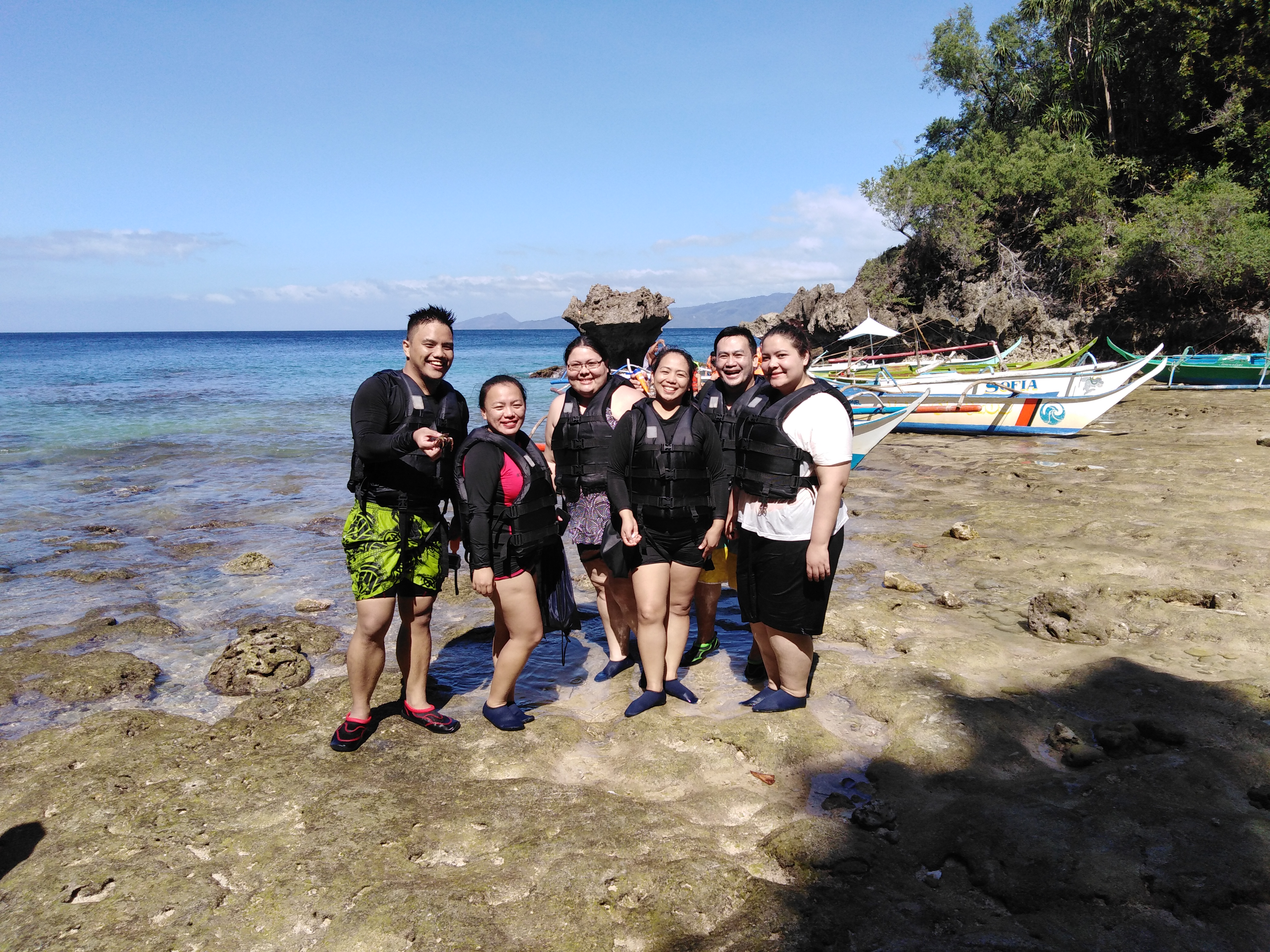
I and my friends and colleagues decided to take a couple of days vacation right before the christmas season rush, so we booked for a tour package bound to Puerto Gallera last December 9-11.

I know that many of you have already gone to the place maybe not once but twice but I still want to share my personal experience.

Prior to us going, we had an expectation that the night life was going to be the highlight, with a lot of tourists to meet and all. But..there’s a big but. It wasn’t the peak season and we didnt appreciate the so called night life in the numbers of bars lined by the sea shore.

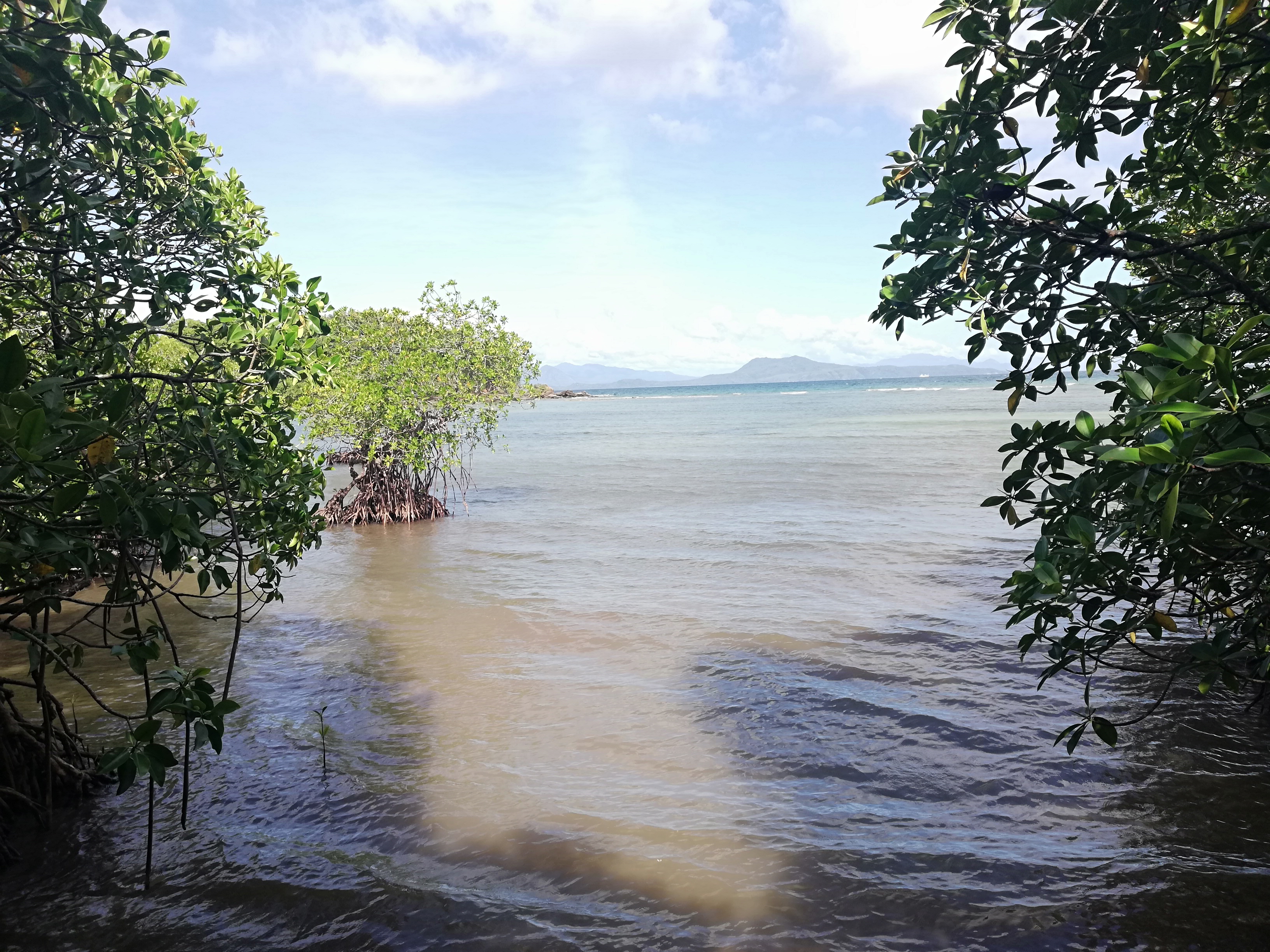
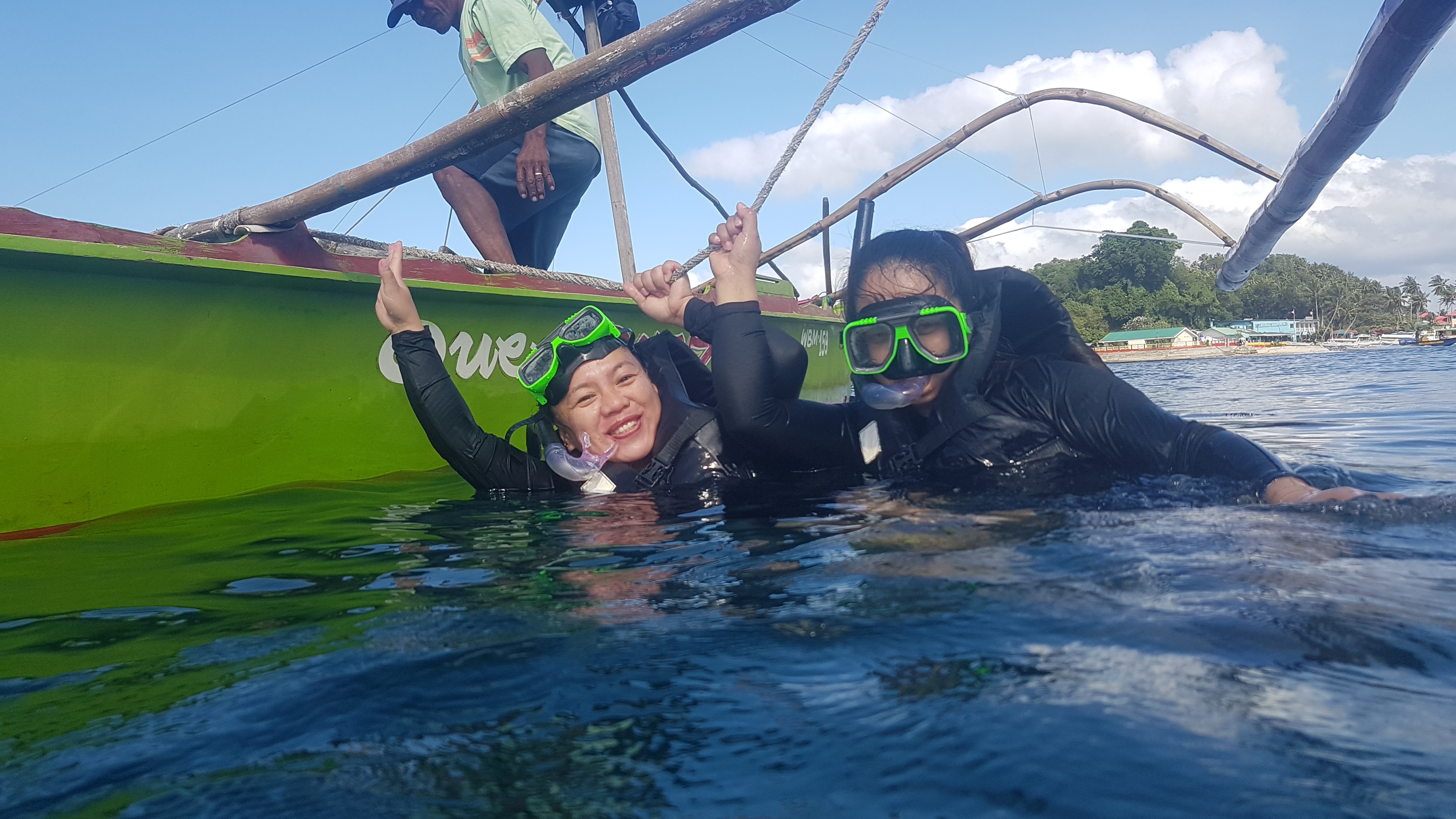
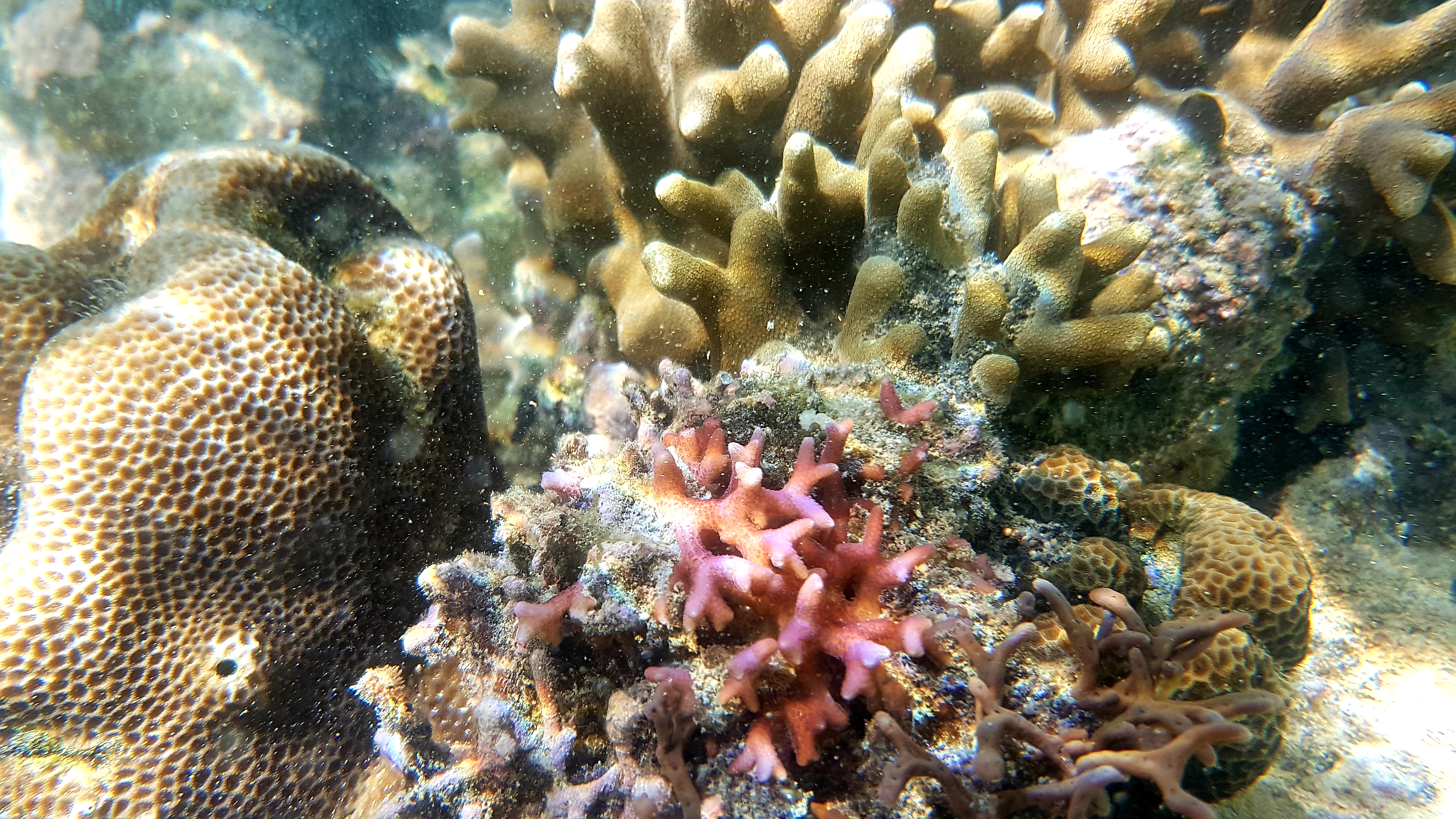
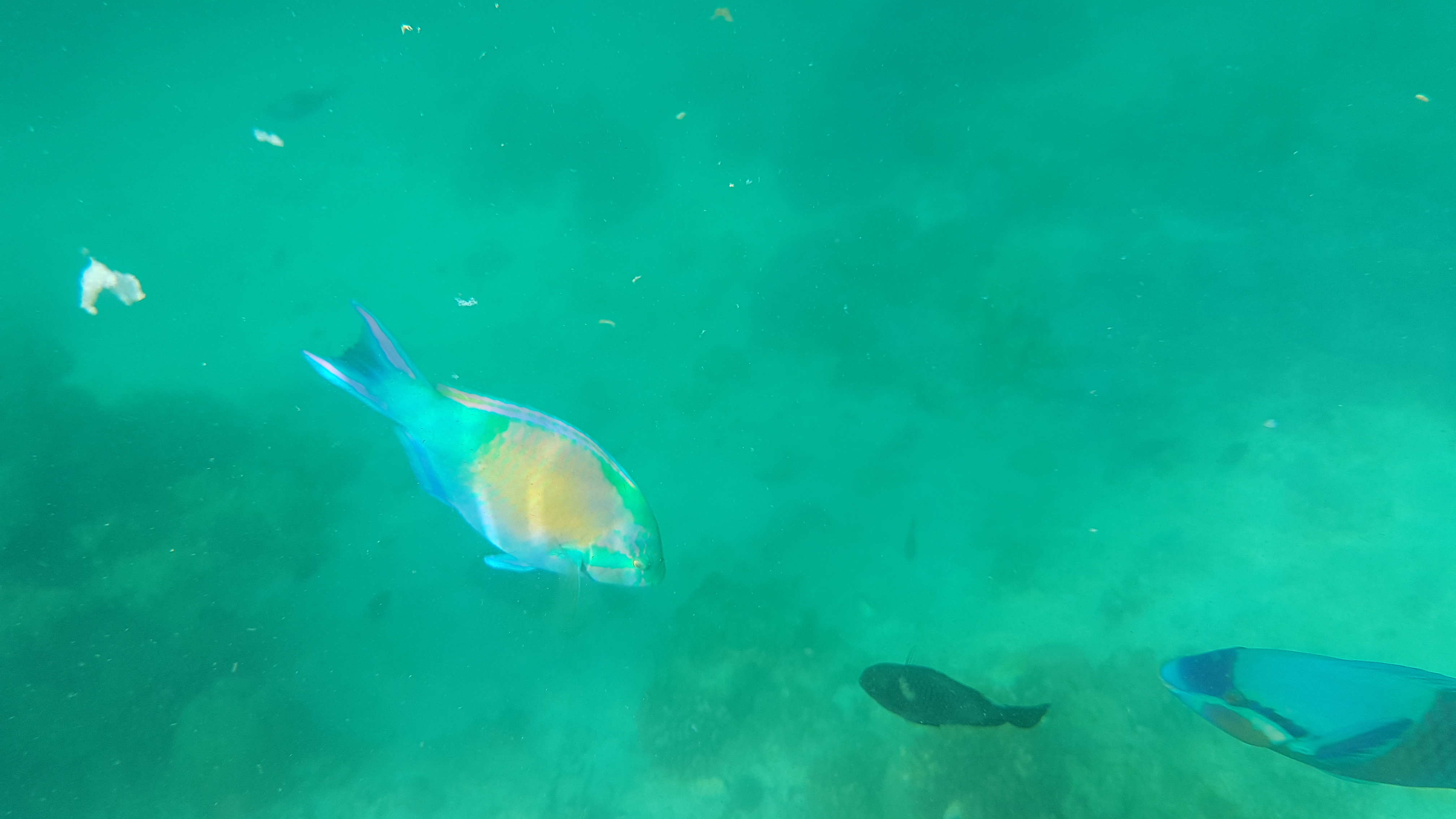
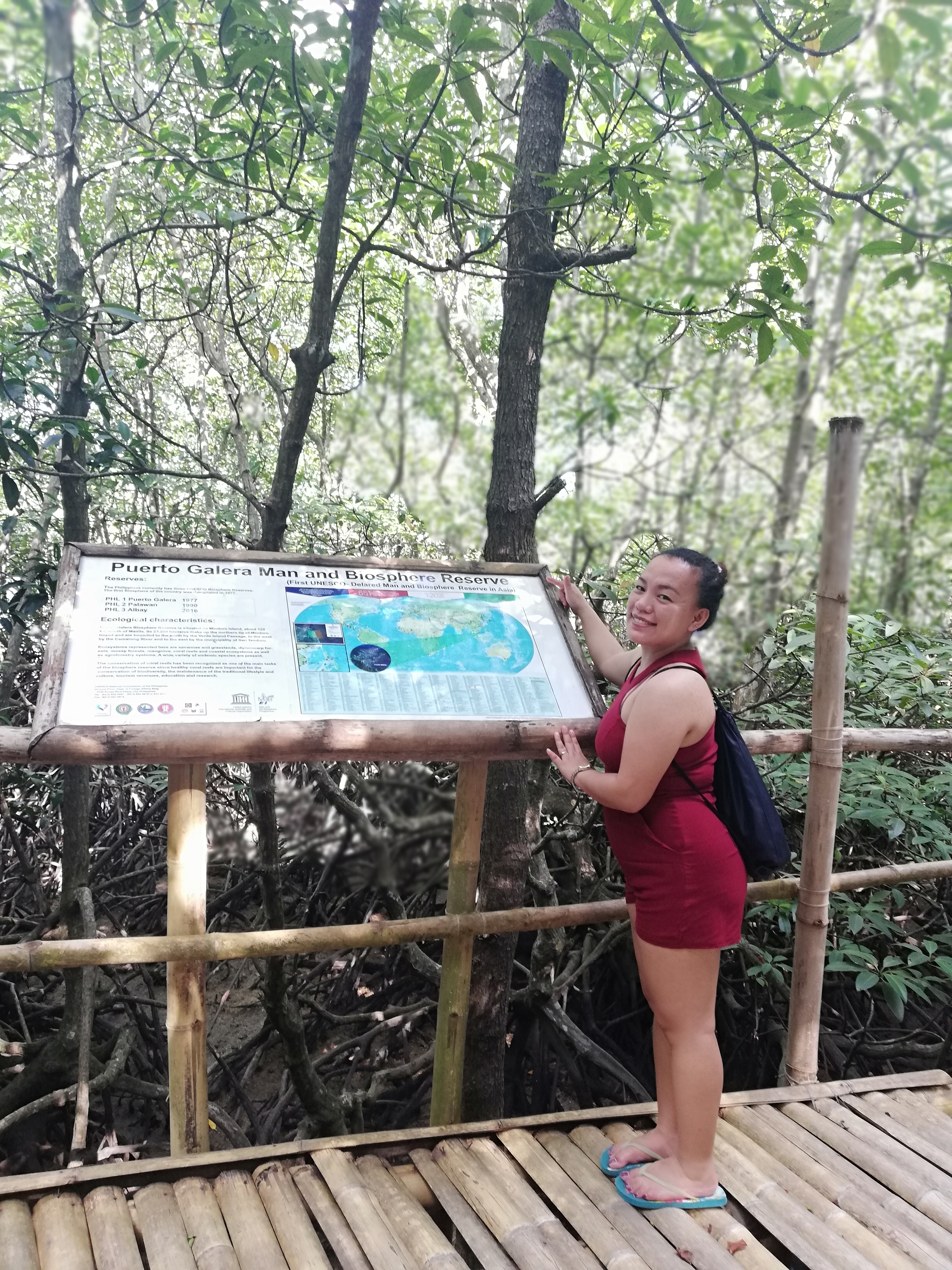
Let me tell you what we enjoyed and appreciated the most. First, we liked how respectful the locals were, from the children to our tour guides and the store keepers, and the owner of the place we stayed in. They were accomodating. My friends Jaqi and her sister Dina also appreciated the fact that their tricycles are, as Jaqi joked, big people friendly. Second, we loved most of the activities, highlighting the snorkeling and the walk on the mangrove conservation area.

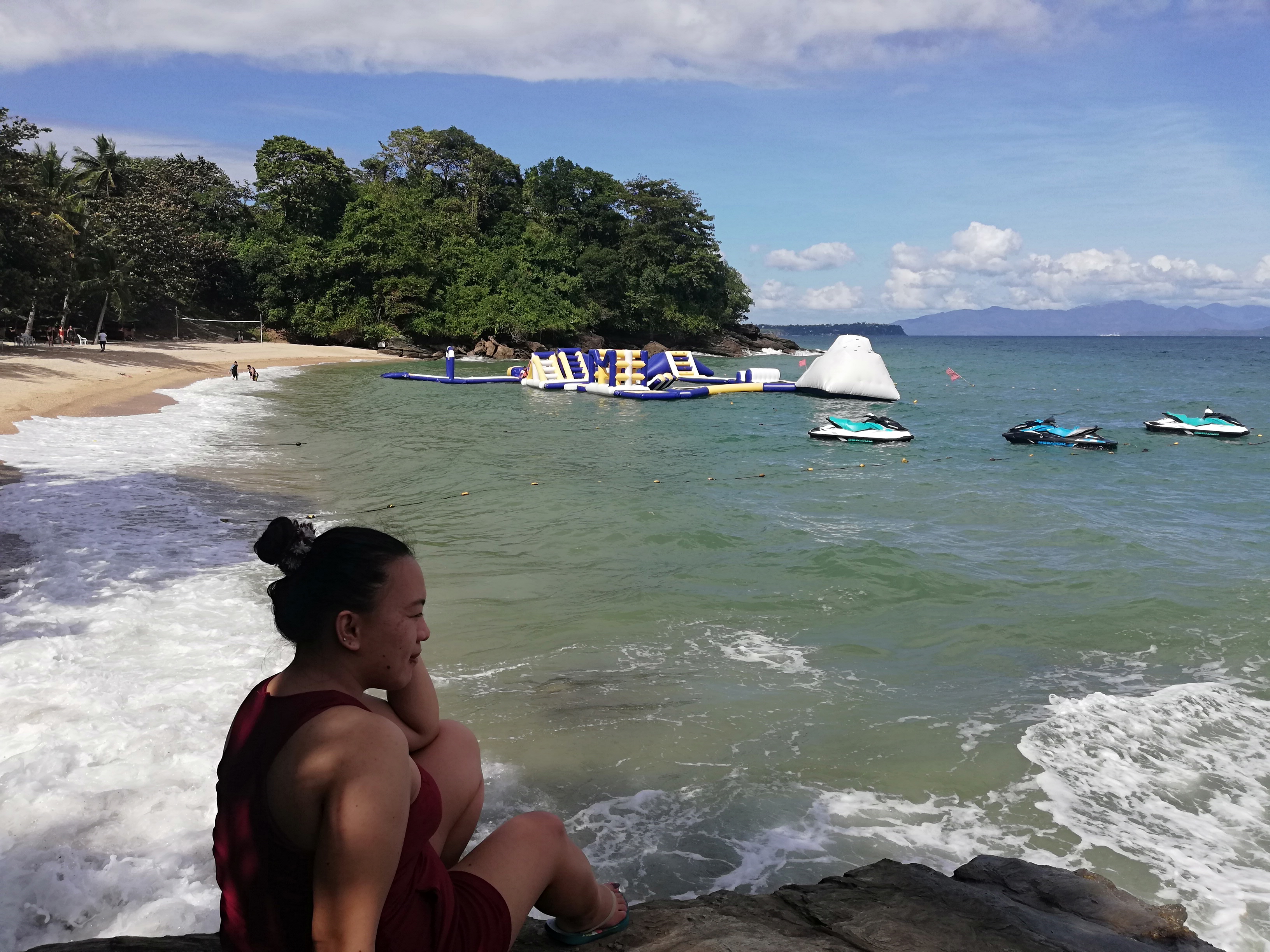
Personally, I have fear of being on boats let alone going into the water, because I don’t know how to swim ( as I always say, I grew up in the mountains and didn’t really gave much time to learn how to swim 😆). But I had a great time when we had an island hopping, and definitely a great time seeing the underwater up close and personal.

We only wished that there were fresh seafood to eat but to our dismay, there were none. But then again, the most important thing is that we had a good time unwinding with great companies.

Lastly, it was this only time that I’ve known that Puerto Gallera means ‘The port of Galleons’.

‘Padit’– A Privileged Feast

It is a tradition in the Cordillera region to have feasts. The popular and common feast known to many is the Canao. Each tribe in region CAR has a distinct version of this feast and for us, the Kalanguya tribe,  we call it ‘Padit’ (reunion of tribes/ thanksgiving).

I remember when I was a kid, we used to pass by a certain house in Buguias area which has a lot of carabao horns as ornaments and hanged in front of the house, and on the fences. According to my grandfather, the more animal horns you see in someone’s property, the richer the person is. And I was able to understand it when I became older. Let me tell you why.

Padit is an eight-day feast. And to today’s standard, we might as well say, extravagant. The animals being butchered start with pigs, then cows, carabaos, and sometimes horses, depending on the recommendation of the mabaki (priest).

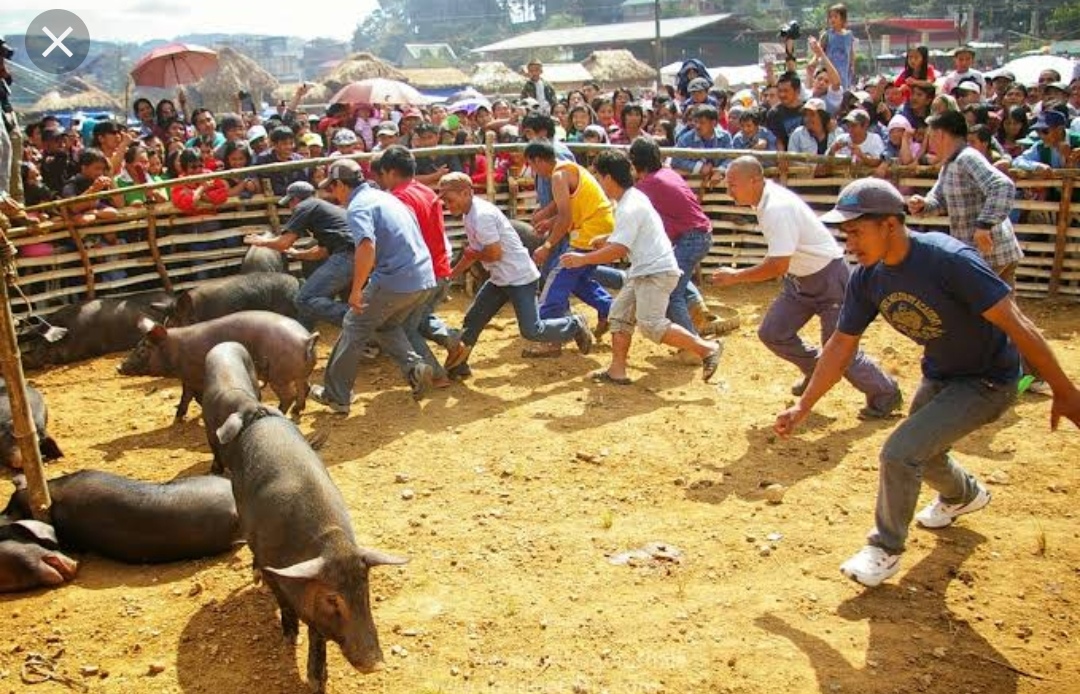
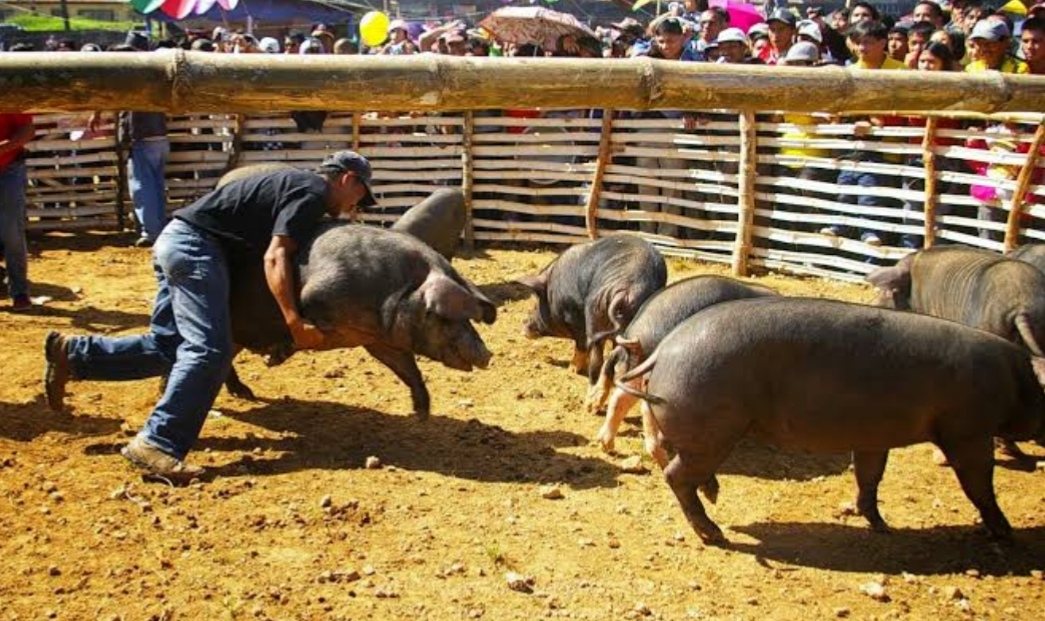
On the eve before the first day of the feast, it’s the binaykat (guests from distant villages) arrival, and a pig is butchered for their dinner. On the first day, a number of pigs are released to a fenced cage in the yard (luhod), caught and wrestled by each representative from the binaykat. Each representative will use a handy wooden spear-like stick (uwik) to kill the pig. The uwik is normally thrust into the pig’s side, directly to its heart. After this, usually the elders or any member of the community will play the gongs and the hosts will start with their first tayaw (cultural dance).

IMG_20181206_200344.jpg
ctto.. depicting the binaykat going after the pigs

A baki (prayers) will be done by the mabaki before lunch, followed by more dancing. On the second day, the host wont butcher any pigs because they will cook the heads of the pigs which were butchered the previous day. These will be the food to be served to all the binaykat (guests).

IMG_20181207_203106.jpg
ctto… ” at last i caught one”

On the third day, a minimum of 3 pigs will be butchered, however the 4th-7th days are the rest days. On the last day, a medium-sized pig will be butchered and be consumed before the binaykat’s departure. During this day, they perform the hinagawhaw. It is some kind of a victory dance where a human head made of fern tops is put up on a pole and placed in the middle with a big jar of rice wine, where they dance around.

This privileged feast has stages/ascents depending on the status of the person in the community. It usually starts with what we call manattallo (starts with 3 pigs). It means a person having the padit will butcher 3 pigs. If this person progressed and say has more harvests and or was blessed with more wealth than what he used to, then he will do tukmang ni tallo (pair of 3).

Once this person progresses, he will have manlimma (5 pigs), then after is the tukmang ni lima (pair of five). After which is the manwalo (8 pigs), followed by tukmang ni walo (pair of 8). Finally, if this person keeps on progressing he will then reach the manambakid (the tenth), which will make him kadangyan (titled rich man). He will have a prestigious status  among the people, as far as he is known.

This tradition, however is rarely done nowadays. In our barangay, the last time I was able to attend a Padit was when I was in fourth grade. People of today have thanks giving ceremonies but it’s not a padit because it only lasts for a day.

This blog was not possible if not for the information I gathered from Rolyn Sinak-ey, who created the Lusod Official website, and gave me her permission to use some details from her website.

Tayaw ni Tadaw (The Monkey Dance)

The Kalanguya tribe are scattered in the provinces of Ifugao, Benguet, Nueva Vizcaya, and Nueva Ecija. In Benguet, most of the Kalanguya people reside in some barangays in the municipalities of Kabayan, Bokod, Buguias, and Tuba.

In the municipality of Kabayan, there are 3 barangays where Kalanguyas settle; Ballay, Luhod (Lusod), and Tawangan. In my previous blogs, I talked about some of the tales of the tourist spots in Ballay. Now, what I wanna focus on is one of Barangay Lusod’s pride, the Monkey Dance.

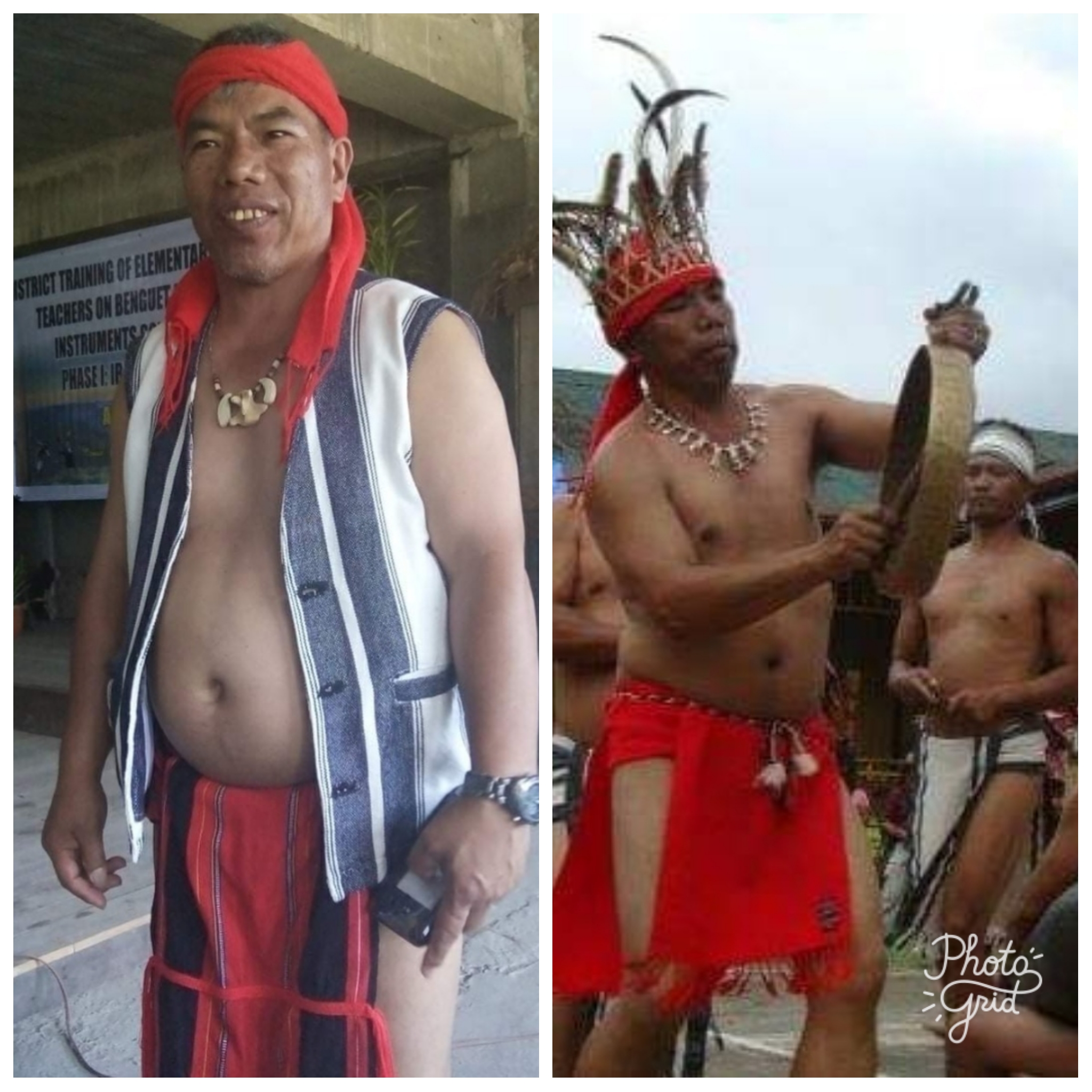
This dance is not that popular comparing to the ritual/cultural dance ‘Tayaw’, but I want to share why it was created. One of my highschool teachers, Mr. Cortes Ebas, was kind enough to share his work/research about this dance

PhotoGrid_1543989627748
Mr. Cortes Ebas in his Kalanguya attire. A teacher at Kamora National High School in Kabayan.

According to the story, along time ago, there was a family in Payantak, Lusod, Kabayan who took care of a monkey. They treated the monkey well and considered it as a part of the family. This family trained the said monkey to do household chores and to make sure that it opens the chicken cage in the mornings, and closes in the evenings, when the chickens get in the cage. Not only that this monkey helped in household chores, but also accompanies the family in the fields to work.

One day though, while they were on their way going home from the fields, it rained hard. The river they were crossing overflew and unfortunately, the strong current took the monkey and it drowned. It died. The family brought the monkey’s body home to bury. There was no burial ritual done but it was given a decent burial.

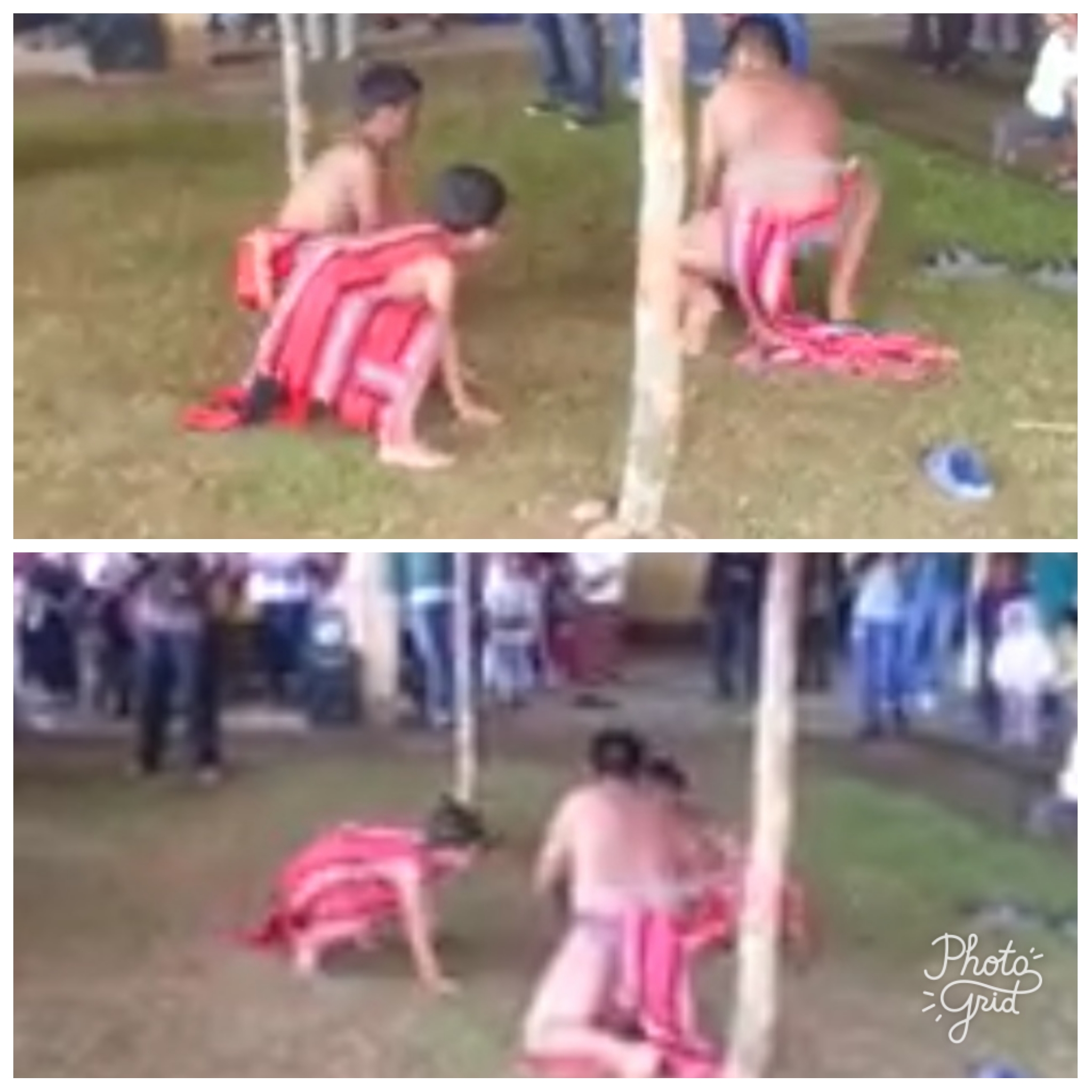
Days passed, and suddenly the head of the family got ill. All home remedy medicine they tried didn’t cure him until they consulted a “manhib-ok” ( synonymous to a faith healer) for a ritual to be done for him to be cured. The Manhib-ok told them, “apet manayaw kuno hota aki/tadaw” ( a dance ritual for the dead monkey). So, during the dance ritual, the performers mimicked the facial expressions and actions of a monkey, therefore called “tayaw ni tadaw” (monkey dance).

In this modern time, performers dance this for the sole purpose of entertainment. If you actually see it up close and personal when it is being perform, it is hilarious, especially when the performers exactly mimic how monkeys act.

PhotoGrid_1543992591889.jpg
a couple of pictures i screen shot from a video uploaded in youtube. apologies for the poor quality of the pictures,hiwever i wanted just to paint a picture on how the dance is performed.

Unfortunately, I couldnt be able to upload the video of the dance in this site, but you can always search in youtube or in google, there will be a couple of videos of the monkey dance.

Lusod is the nearest barangay in the highest mountain of Northen Luzon, Mt. Pulag. When you have a chance of going to the place, perhaps you can ask if the locals can perform the dance for you.

Mt. Tabayok: ‘A Bended Tree’

IMG_20181103_102950.jpg
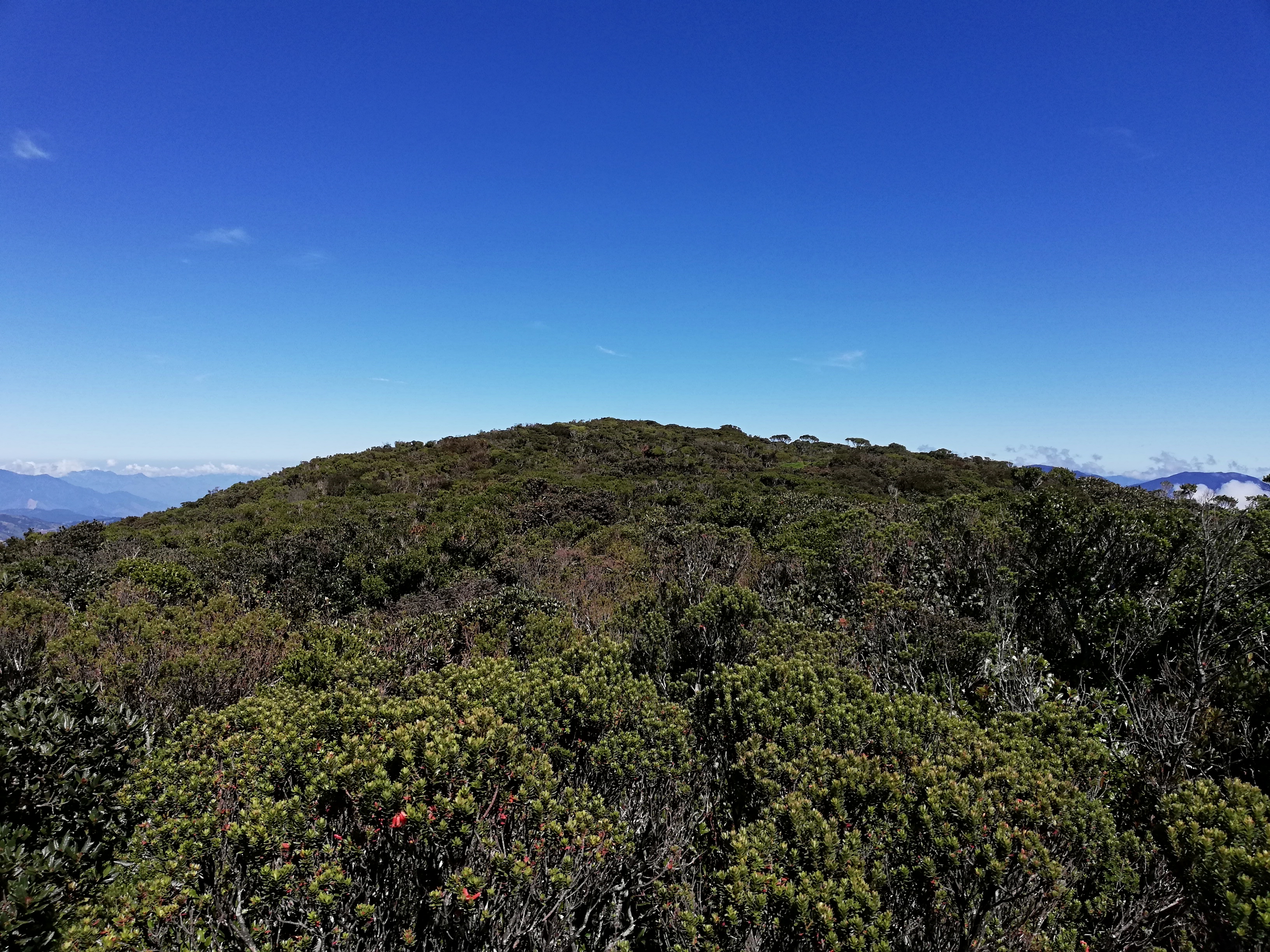
the first peak

For those of you who already conquered this mountain, have you ever wondered why it was named ‘Tabayok’? Have you ever asked the locals why it was name such?

And for those who are yet to climb this mountain maybe these tales will enlighten you a bit. There are a couple of versions of the tale why this mountain named ‘Tabayok’. Most elders in the community passed on a story that this was because of the form of the mountain. In the Kalanguya dialect, we called it ‘nayokyok ni kiyew’, which means, bended tree. When you will take a look at the mountain’s form from afar, it really looked like a tree which is bending.

IMG_20181103_134523.jpg
take a careful look from the left going right, indeed look like a bended tree..not quite in this pic perhaps but when you go and visit, take a look at it 😉

Also, another version of the story was, it was heard that on top of the mountain, which is on the far side, lies a small body of water. In our dialect we say, ‘natabayok’, which means ‘accumulated water’.  They say this is where animals drink water. This is also where hunters camp when they are at the mountain. So derived from the term ‘natabayok’, the people then of this place called it ‘Tabayok’.

IMG_20181103_081758.jpg
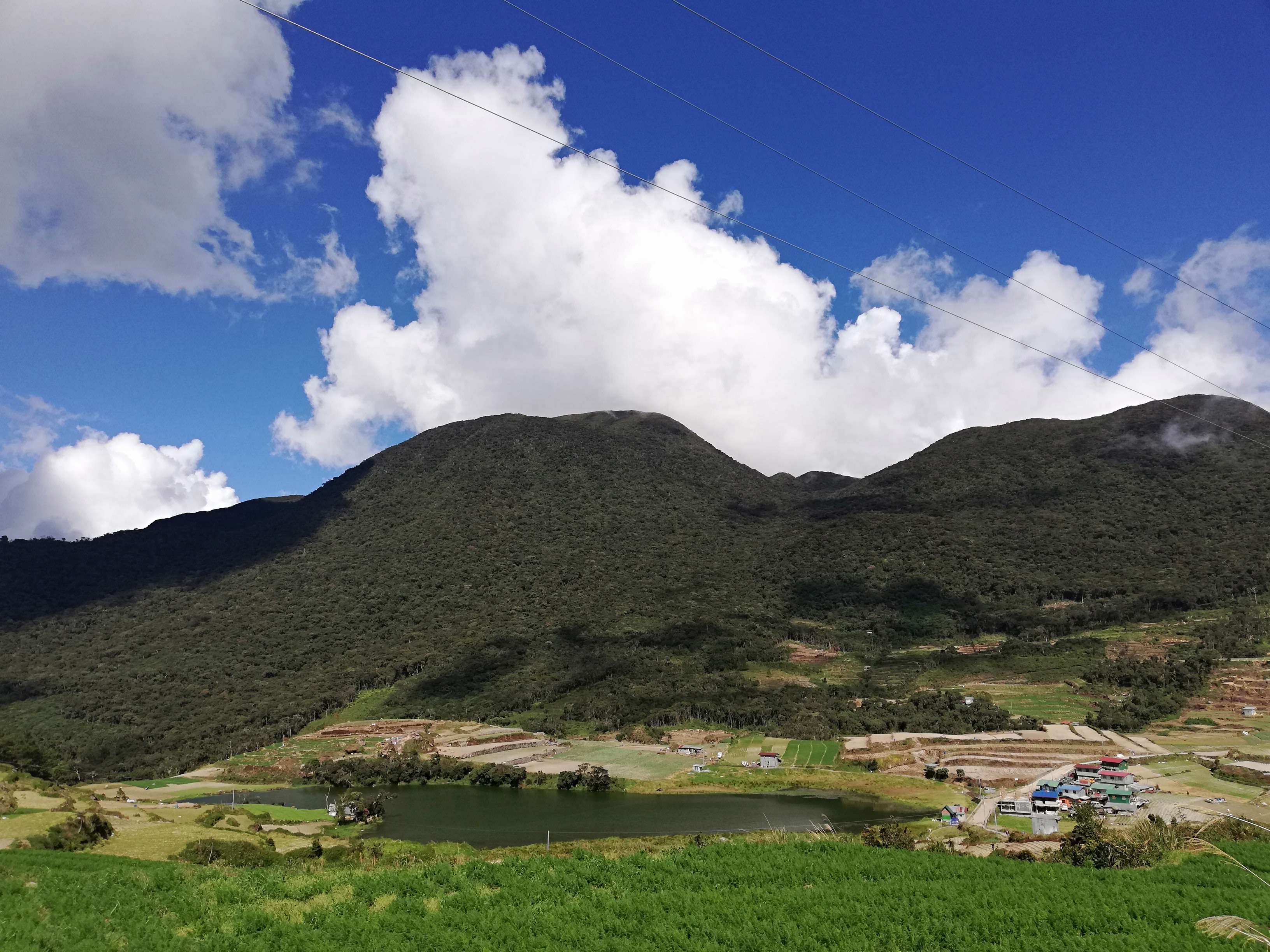
the view on the midway. an overlooking view of Tabayo lake and the barangay and nearby municipalities like bokod 

Though these two tales are different, they atleast give us an idea of how the mountain was named as such.

Climbing this mountain is not easy. For seasoned climbers, it may take them up to 2 hours to reach the peak. But for amateurs like me, it may take up to 3 hours, this includes the times you stop for picture taking and for resting. As per our guide, it is more than 2,700 feet. The climb won’t be easy, but worth it when reach the top. Too bad though that the wooden view deck was wrecked. If you wanted to take your picture, it will at your own risk.

IMG_20181103_102959.jpg
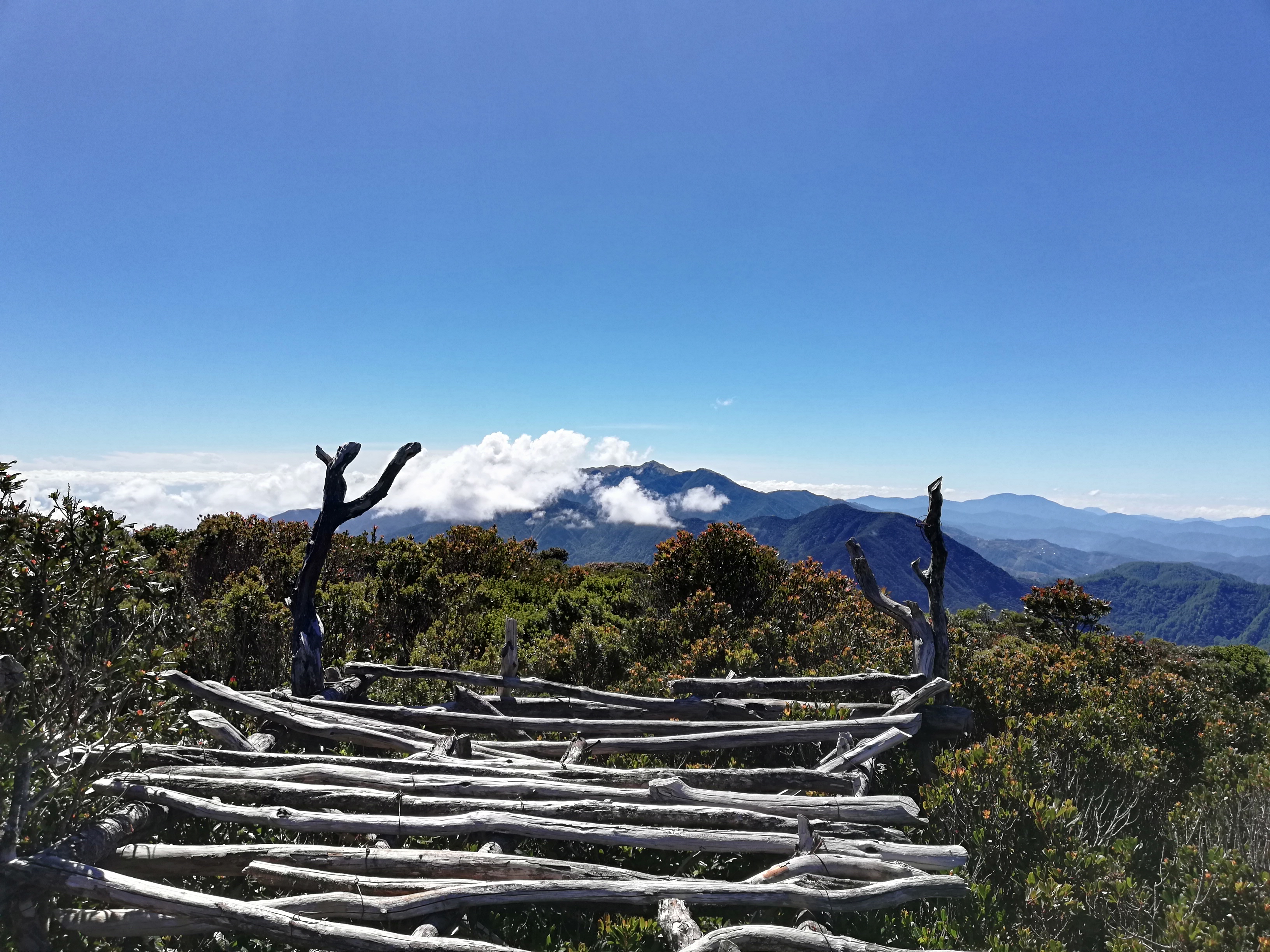
the wreckage of the view deck..and the view from the peak

My second ascend was better than the first since the weather was very clear. No fogs to hinder the view. And thanks to our guide, Jezer Balagan, the son of Mr. Santiago Balagan, my source of the tales i wrote in my previous blogs about the lake. If you plan on going up to the mountains to get away from the pressing life in the city, you can contact him at 09081593581.

IMG_20181103_102809_1.jpg

IMG_20181103_093740_1.jpg
the tour guide:jezer and my natatae and natatakot look on the viewdeck 😆

I already talked about tourist spots located in our place. There are more places which are yet to be discovered and i will be writing about those places in my up coming blogs. For the time being, I will change the tone in my next blog and will about one of our cultural dances, the Monkey dance.

The Tales of Latep Ngapoh Lake

IMG_20181203_055805.jpg

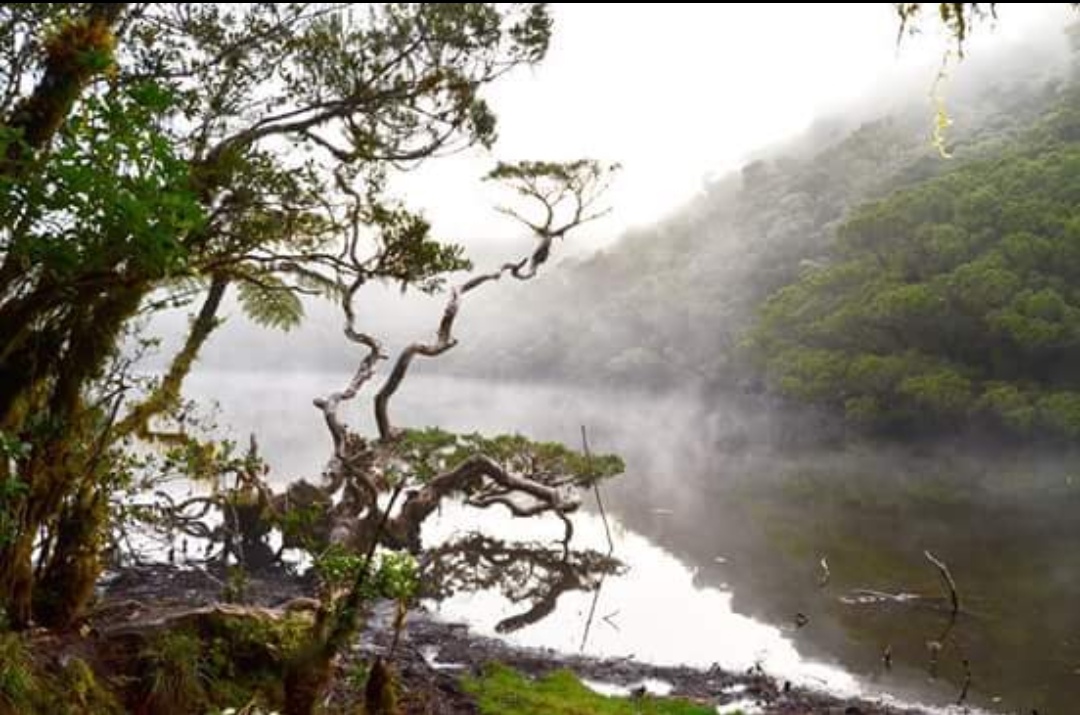
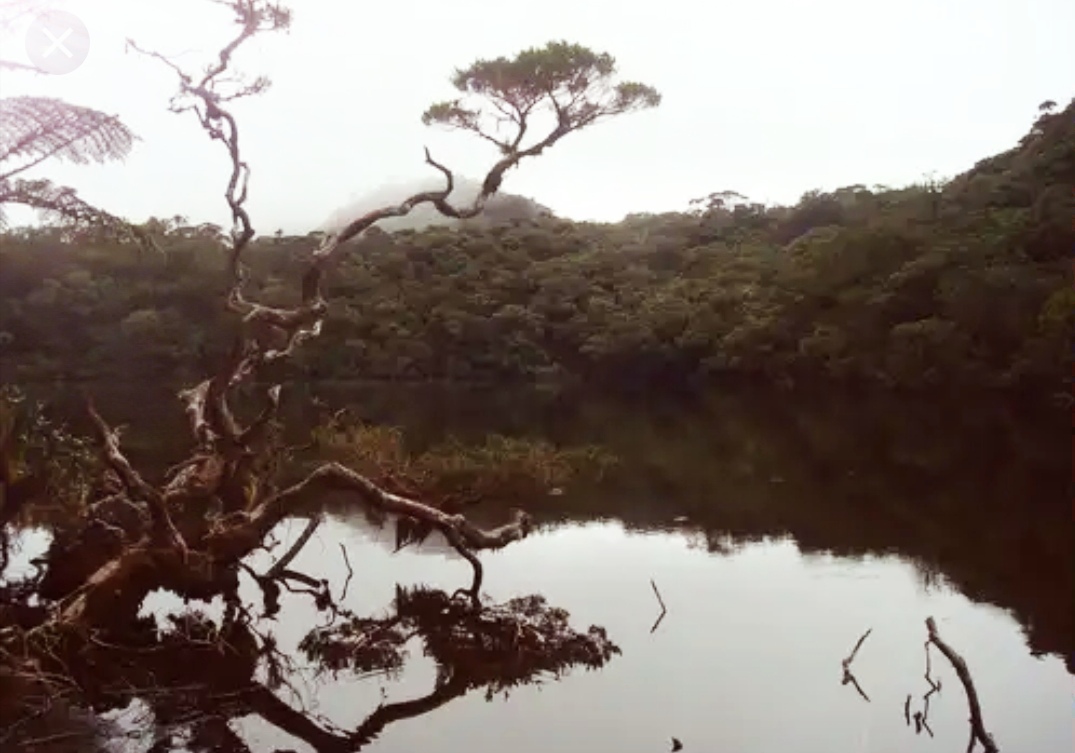
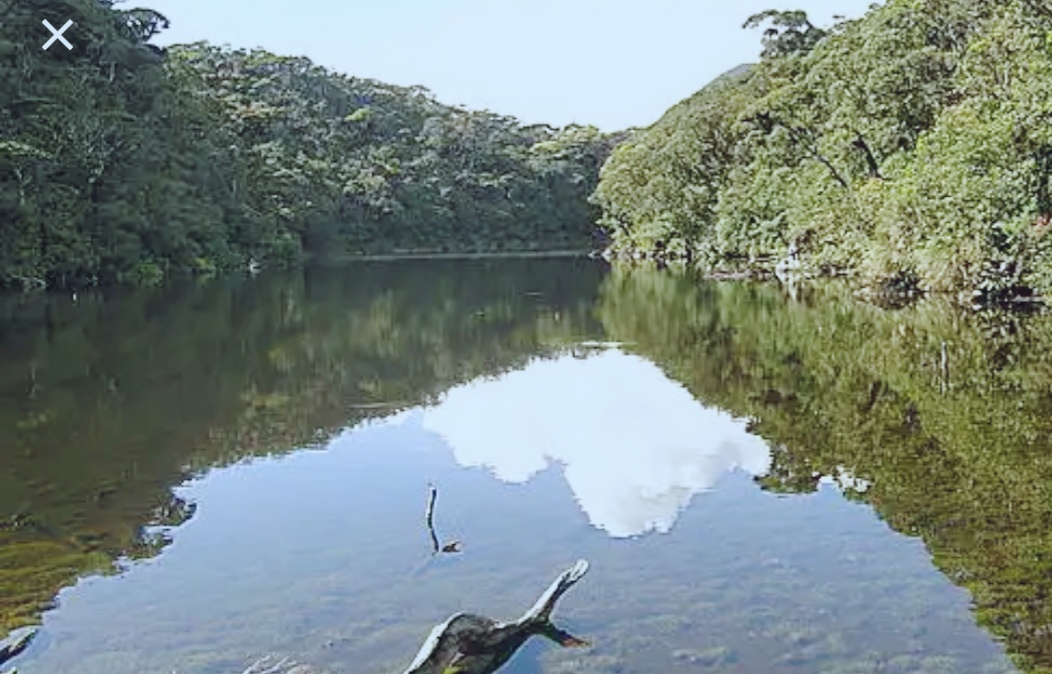
This lake is the 4th among the 4 mystical lakes in Ballay, Kabayan. Among the 4, personally, this is my favorite. Same with Ambulalakaw lake, this lake is surrounded by a mossy forest, has icy water and just by merely looking at it, calms the soul.

Same with the other lakes, the folklore on Latep Ngapoh has various versions. I have already mentioned in my previous blogs that hunting was the main source of livelihood then. The folklore says that a hunter named Ngapoh used his dog to hunt for a deer. And usually, when a deer is tired it usually goes to a body of water to dip its body, (sometimes dive in the water) and hunter Ngapoh knew this. So what he did was to let his dog direct the deer to the lake’s location until the deer goes into the water and the deer couldn’t run anymore, and that was his kill time. So the lake was named as Latep Ngapoh because it is where numbers of deer dove into and where Ngapoh hunted them.

On one hand, another version of the tale was, a hunte challenged himself to see what lived inside the lake. So one day, he used a Ngapoh (a piece of wood torch) and he dove in the water (limatep). Therefore, the setters coined the name Latep Ngapoh, which means dive and wooden torch.

Nowadays, our Ibaloi folks named it as Detep Ngepos, which means the same thing. But to honor the Kalanguya ancestors who discovered the place and the mere fact that Barangay Ballay people are Kalanguya, personally I rather use Latep Ngapoh lake, because that really is its rightful name and our pride. Same goes to the other 3 lakes.

So, my Kalanguya folks, when people ask you of where and what are the names of the lake, be proud to provide the original Kalanguya names.

This ends the series of the folklores of the 4 mystical lakes in Ballay, Kabayan. Coming up will be the tale of Mt. Tabayok, the second highest mountain in North Luzon.

IMG_20181114_134954.jpg

Inkoloh Lake

IMG_20181116_124204
Guess where the lake is…

in.ko.loh

/en-ku-luh/

verb

*to make the water flow / to drain the water through a canal

If you read my previous blogs, i already shared about the folklores of the first two lakes among the 4 lakes in Barangay Ballay in Kabayan, Benguet.

Among these lakes is Inkoloh lake, a.k.a Incolos lake. Our dialect is kalanguya, therefore we will follow what our ancestors named the place, inkoloh.

According to tales, there were set of friends who went hunting, and had to rest by the lake to cook and eat. These hunters were able to catch a mak-wah (deer) and butchered it. One of the hunters went to the lake to wash the intestines. As he cleaned and washed the intestines, he noticed that there were less and less of the intestines left. He then saw that a gigantic animal ate the intestines.

IMG_20181116_124117.jpg
a minute part of the lake

This certain hunter went back to where his friends were and told them what happened. His friends didn’t believed him and thought he hid the intestines for himself. To prove his innocense and what he told them was true, he challenged his friends to go back to the lake so he can show them which really ate the intestines.

The group went back and they dug a canal to drain the water from the lake. As different species of fish swam in the canal, the hunter shook his head saying those were nit what he saw. Until the biggest scaled animal came out (probably a crocodile of some sort), and at last he nodded his head. The said hunters aimed and threw their spears to the said animal. Blood splattered and everything it touched died, including the hunters who killed the animal. As per the story, the only survivor was the hunter who was accused of hiding the intestines.

So, the named ‘Inkoloh’ came from what the hunters did to drain the water from the lake.

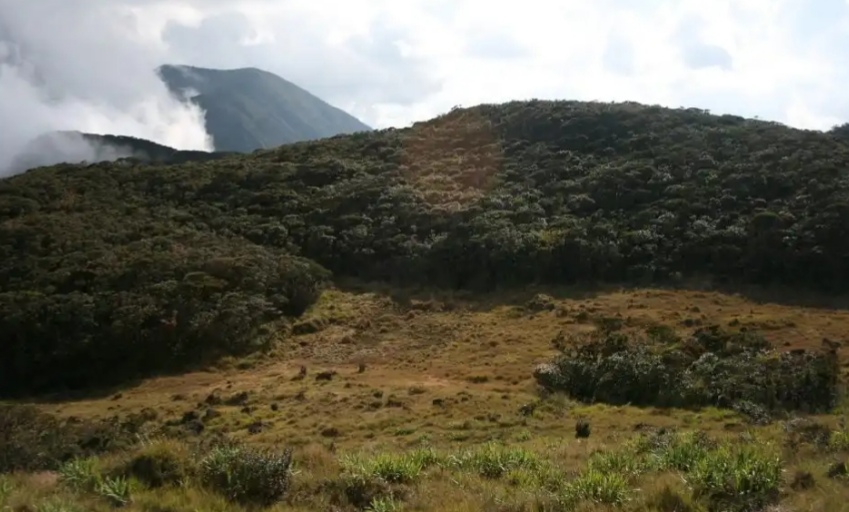
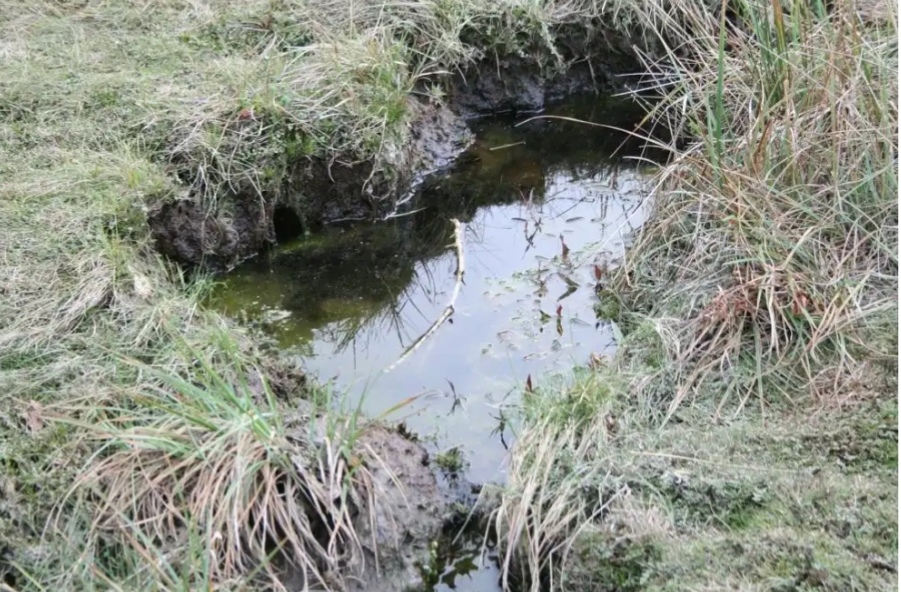
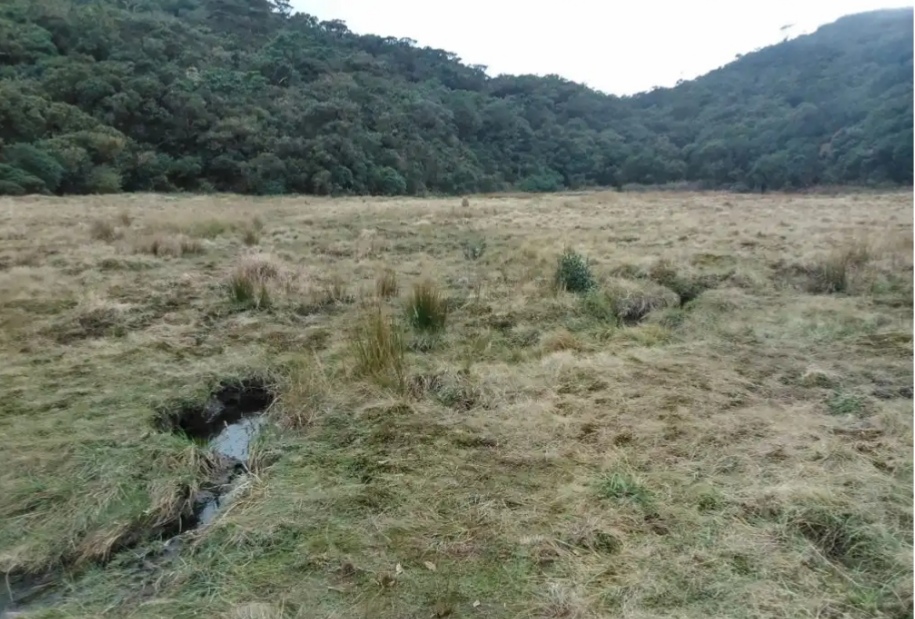
Now, when you visit this place, do not look for the lake because all you see is a grassland. The lake is beneath the grassland. Just be careful because it’s more like a quicksand, when you step on it and it cant carry your weight, then you will find yourself beneath it.

IMG_20181116_124053.jpg
a closer look..and you will notice the crack outlining the canal-like form

Inkoloh lake is just at the base of a mountain called Junior Pulag. From this lake, you can trek for few minutes and you will be on the 4th lake, Latep Ngapoh. I will talk about it in my next blog.

How Lake Ambulalakaw Got it’s Name

IMG_20181114_134852.jpg
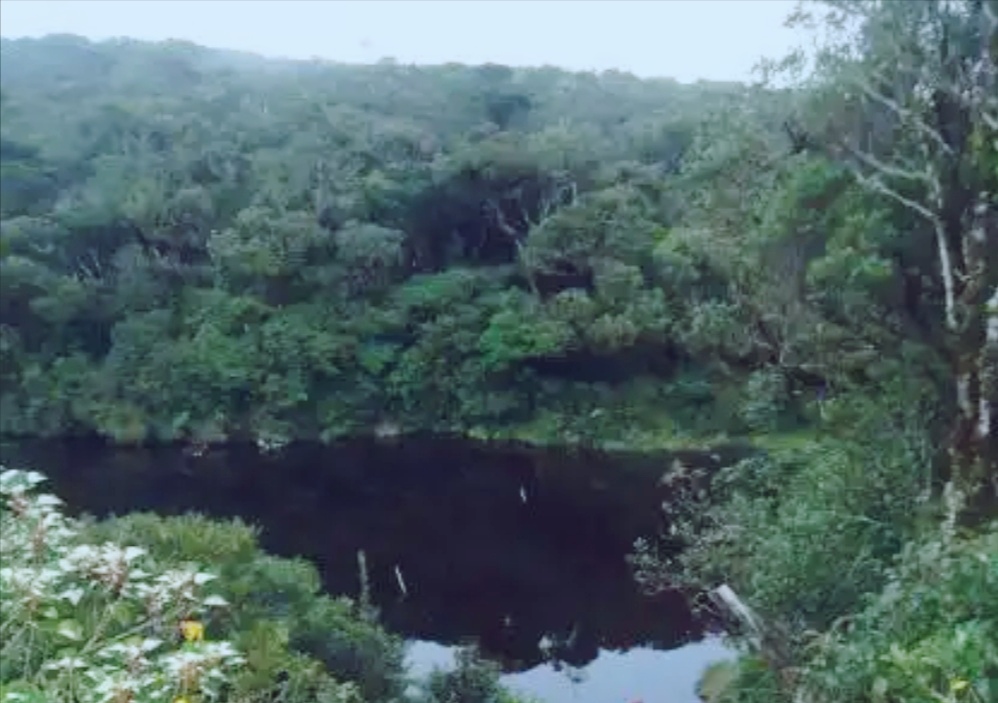
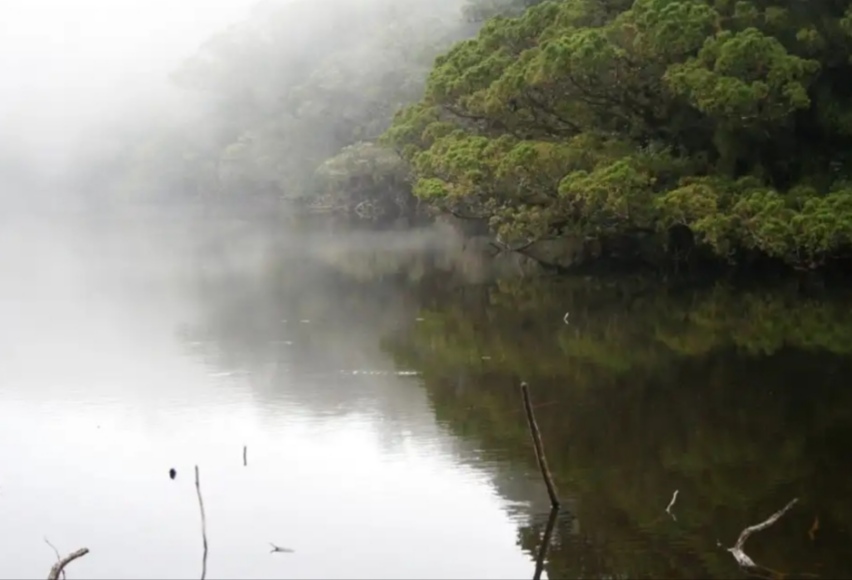
A close up view of the lake when it’s not foggy

In my recent blog, I shared the tales about Tabayo Lake. Among the 4 mystical lakes of Ballay, Kabayan, Ambulalakaw is the most visited lake aside from Tabayo lake. Maybe because tourists don’t need to trek far. This lake is just above  the provincial road connecting Barangay Ballay and Tawangan.

IMG_20181116_125819.jpg
Just 3 steps from the road and you will be taking these steps going up to the lake. it’s just about 2 mins to go up.


Same with the other lakes, there are different versions of the folklore about this lake.

However, i will just provide the common tale that was passed on up to this generation. This also came from an interview I had with one of our tourists guides, Mr. Santiago Balagan. He said this folklore came from different sources, which were the elders in the community.

A long time ago when there were only few settlers in the place, whenever there’s a ‘kikan’ (gathering/occasion) people see a bulalakaw (maybe now it’s what we call a shooting star), going to the direction of the mountain where the lake is situated. They were not aware then that there was a lake in that part of the mountains.

IMG_20181116_124317.jpg
Just 10 more steps going down and you will be up close and personal with the ice cold water of the lake.

The common livelihood by then was hunting. Eventually, hunters discovered the lake and settlers named it as ‘Ambulalakaw’ means the home of shooting stars.

It was also a mystery to the people by then as to why shooting stars land on this lake.

But on one hand, according to my grandfather, my great grandfather told him a tale that what was perceived as the ‘bulalakaw’ was not a shooting star but a flying eel. They call it as ‘kiwet’ (eel), which matured and eventually flew. Some people then believed that it was the flying eel which usually land to the lake.

IMG_20181116_124001.jpg
when the fogs kiss the lake

IMG_20181114_135041.jpg

Again these are tales from which were told and passed on for generations, altered perhaps by some elders as years passed. And thanks to our elders who are still alive to share these folklores to the youth.

Tabeyo Lake Tales


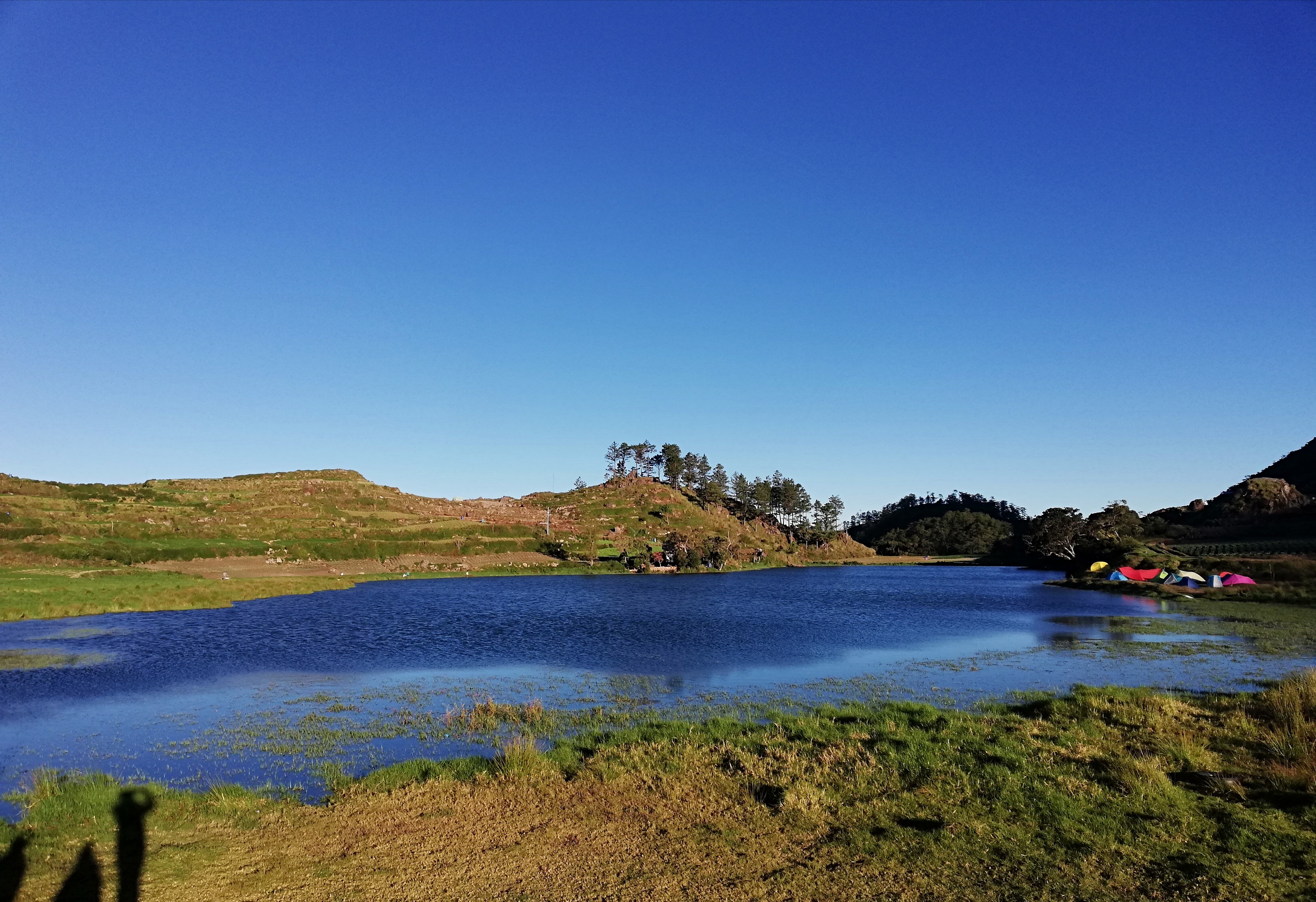
The lake

IMG_20181108_113319.jpg
Tourists can set up their tents around the lake

Due to the booming tourism industry in Kabayan, you might’ve already visited the Four lakes located in our Barangay, Ballay. If not, you might’ve heard about it from friends or saw pictures or videos of other bloggers on social media and on local television.

The focus of this blog is to share with you  the folklore of these lakes. Tales that we heard from our lolong and lolang (grandparents) passed on by our ancestors. I will start with Tabayo lake.

This lake is the first one that you will see when you visit the 4 lakes. It is just on the base of Mt. Tabayok, which is the second highest mountain in Luzon.

45111578_2318918701513557_5134873765917753344_n
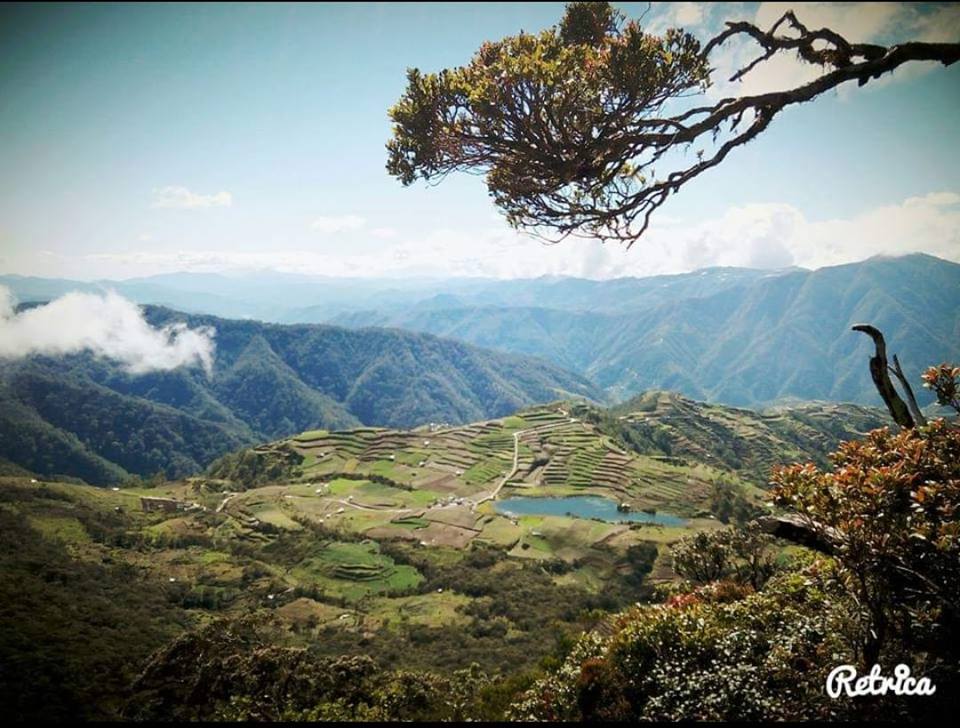
The top view of the lake taken halfway to the first peak of Mt. Tabayok

The folklore says, a long, long time ago, when man and woman were made, there were works that need to be done. There was a work which needed to be completed in 5 days. One version of the tale was the agreement was for the man to work and the woman to bring his food on the 5th day. However, for some reason, the woman went up to the mountains and brought the man’s food on the third day. The kalanguya term for this is ‘hinuknulan to’–means she disrupted the work and was never completed, therefore the lake was just small since the man didn’t finish the job.

Another version of the folklore was somewhat related to the first. According to Mr. Balagan’s sources in the community, it says that there was an agreement between maybe friends or a couple to work in the mountains for 7 days. No one should disturb the man until it’s completed.However on the 5th day, the woman went up the mountain and ‘hinuknulan to’–disrupted the man. So what happened was that the man went around with his guts (intestines) dangling (gory i know) until it formed the lake, now called Tabayo lake.

These versions of the folklore should live upon us. Yes, there are a lot of people who had seen the lake, enjoyed its serene surroundings and lush mountain side, but little did they know about these tales, specially the youth in our barangay.

The lake is a habitat for few species of inland water fish. We have what we call ‘yoyo’–sort of elongated mud fish, we have ‘karpa’–fresh water fish and cat fish. Locals can fish in the lake. Tourists can set their camps surrounding the lake and feel the cold breeze at night and early in the morning.

btr

For you who haven’t set foot in our place yet, when you feel like moving away from the pressing lifestyle in the city, pack your hiking gears and come enjoy what nature provides us.


IMG_20181108_113247

Sources:

* Mr. Santiago Ballagan, one of the tourist guides in our community. He gathered the tales from different sources like elders in the barangay. He was kind enough to share these tales with me.

IMG_20181108_113134.jpg

Manong Santiago and sons–now its more of a family business to guide tourists around

* Baldo Atiw, my grandfather. When we were kids he used to tell us these folklores.

IMG_20181108_115436