
As technology advances, so as the way single men and women interact. Often than not, relationships start and end through text messages, instant messages or video calls. This is just merely my observation–and yes somewhat my personal experience.
Sometimes, what we wanted is a long lasting romantic relationship but we got no patience of what it takes to nurture such kind of relationships. Again I am merely stating my observations. I’m no expert when it comes to relationships because my lasting relationship is just between me and my job, my marriage life only lasted more than a couple of years because death intervened (which I may talk about at another time). Relationships come and go and for those who are at ‘the right age’, finding Mr right or Ms right seems elusive at times. If possible, if they meet someone who seems Mr or Ms right, they want that someone for keep.
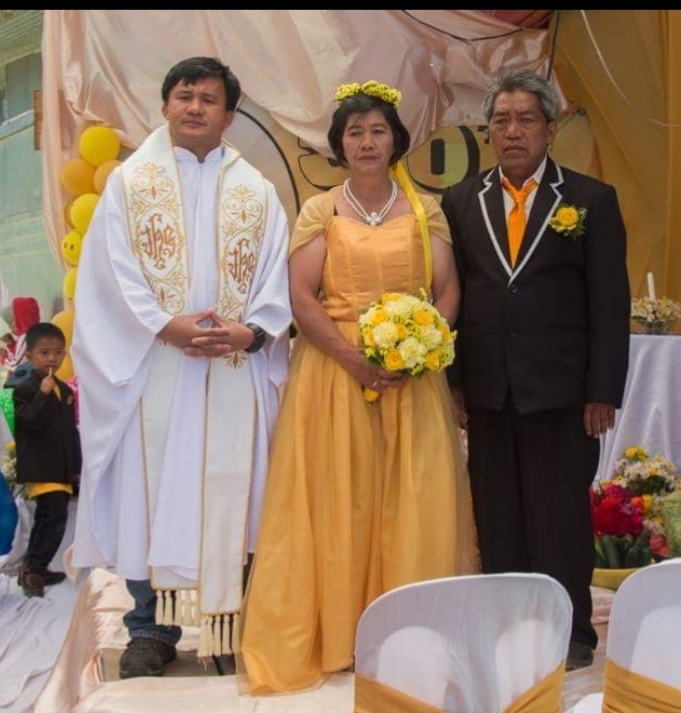
A couple blessed with 8 kids, as of the moment, they have 5 grandkids. Meet Mr and Mrs Fangonil Minas, married for 37 years and running. Photo credit to my cousin Manang Sandra.
In our Barangay (Ballay) in Kabayan, I’ve witnessed relatives’ and friends’ parents who are still together for 50 or so years. And if we are to look at how they started in their relationships, most of them didn’t know each other and hadn’t had romantic relationships prior to marriage.
Kalon–this is one of the types of arranged marriage started by our Kalanguya ancestors. I know in some places Kalanguya or not, they also have this kind of practice. We have two types of arranged marriages, one is what we call ‘tulag’, but I want to talk more about kalon.
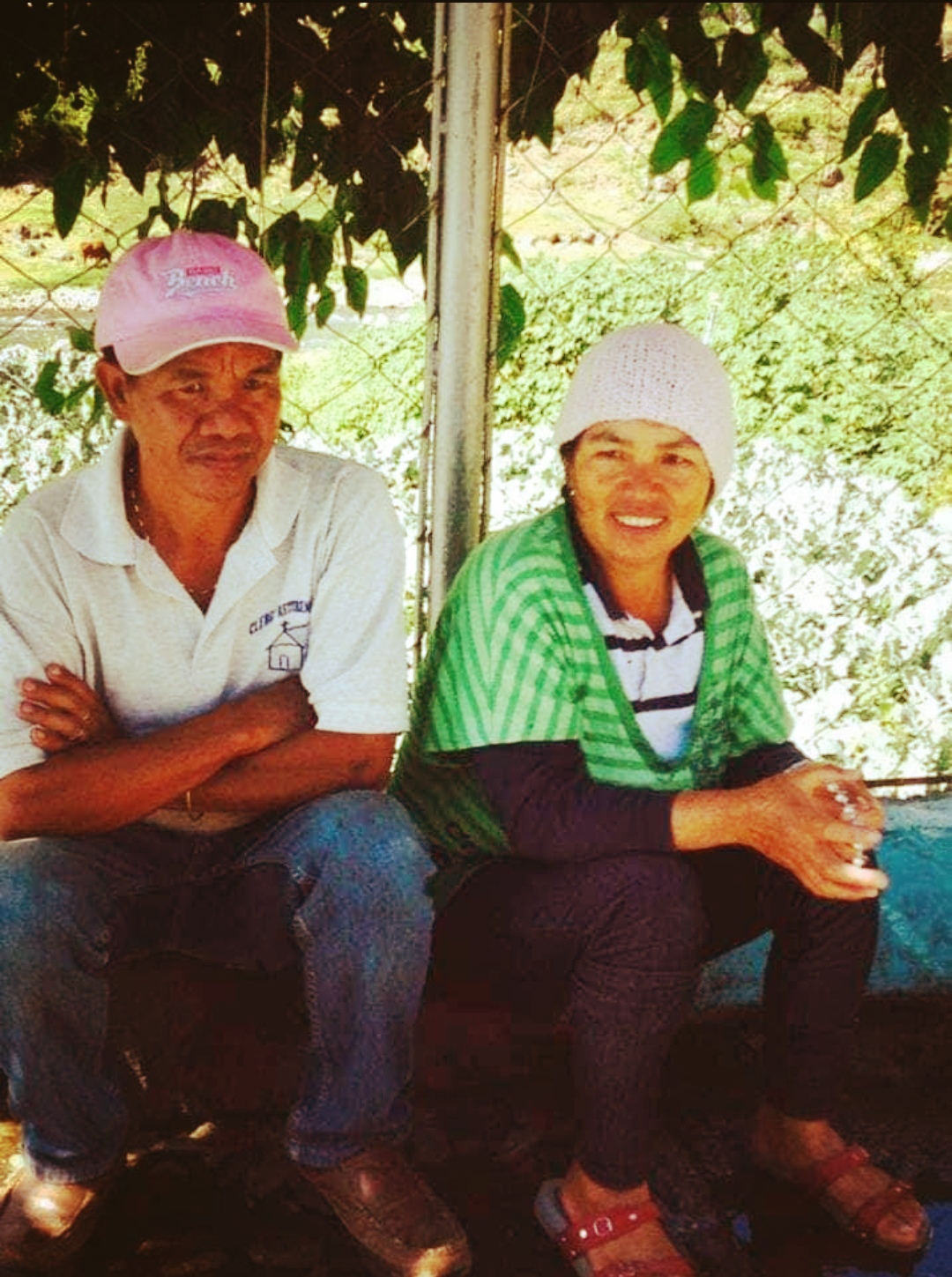
My uncle and aunt, Mr and Mrs Virgilio Atiw, married for 30 years, still happy together, with 9 kids and a grandchild. Photo credit to my cousin, Jovy Ann
Kalon happens when a bachelor asks reputable elders in the community to accompany him and his parents to the young woman’s house to ask for her hand. Or if parents then deemed that their young lad is ready to settle, then they will ask the elders to go to a young gal’s house for her hand. Normally, the elders will ask the young man to bring tapey (rice wine) during the scheduled visit to the lady’s house. Kalanguya, in general, don’t usually express and show what they feel (when it comes to romantic relationships, even familial relationships). And definitely, then, public display of affection was a taboo. (not quite a taboo now, but we aren’t comfortable in PDA) Anyway, at the time of the Kalon, the elders will speak of the good qualities of the man to the woman and her family. And it was said that if the woman speaks during this time then it’s a signal that she’s saying no to the proposal. Otherwise, when she drinks the offered tapey, then she accepts the proposal. Additionally, when the gal doesn’t want to drink the Tapey, the elders will ask her parents to drink it, if they do, then they accept the marriage proposal. Of course, there are times that the gal will strongly say no and nothing can be done but for the man to move on to another prospect. Or if initially the gal accepted but changes her mind about the marriage, then she will need to be penalized. This is what we call ‘hodhod’ which I will talk about in another blog.
Once the kalon is successful, both parties will agree on a wedding date. And that starts the man’s and woman’s lives as a couple. Eventually, they will learn to care, and love each other. Be patient with each other’s differences. These relationships aren’t perfect but they last. When I asked an elder in our community, to date, there’s no record of separated couples who got married because of kalon. Uncle Ben said, maybe there were but in other places and is rare.
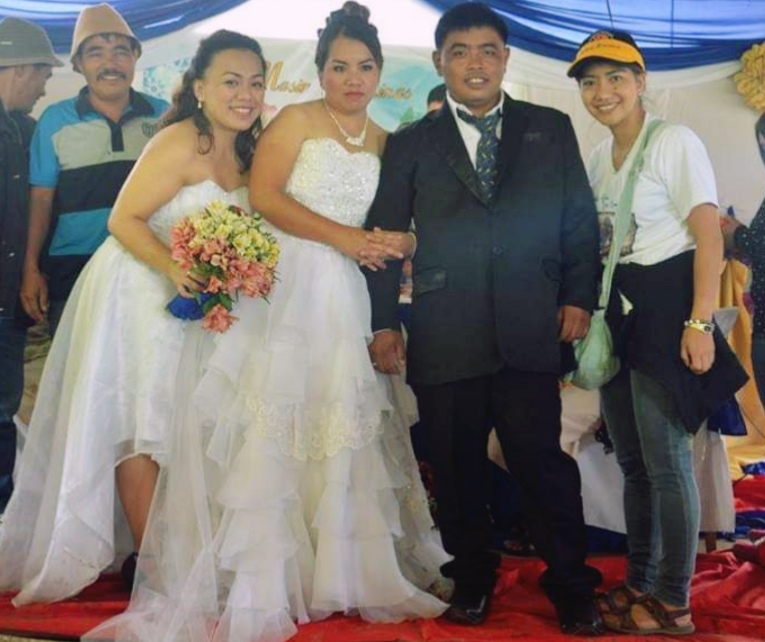
And you may think that in this modern times, this practice is diminishing… Don’t fret, it isn’t. In September 2017, I was my best friend’s maid of honor on her wedding day. She and her husband were product of kalon, and so were other 2 couples who were married recently.
My best friend’s wedding. Kalon works in modern times.
So, yes for some, though they started on rough patches, they found their happy ever after.
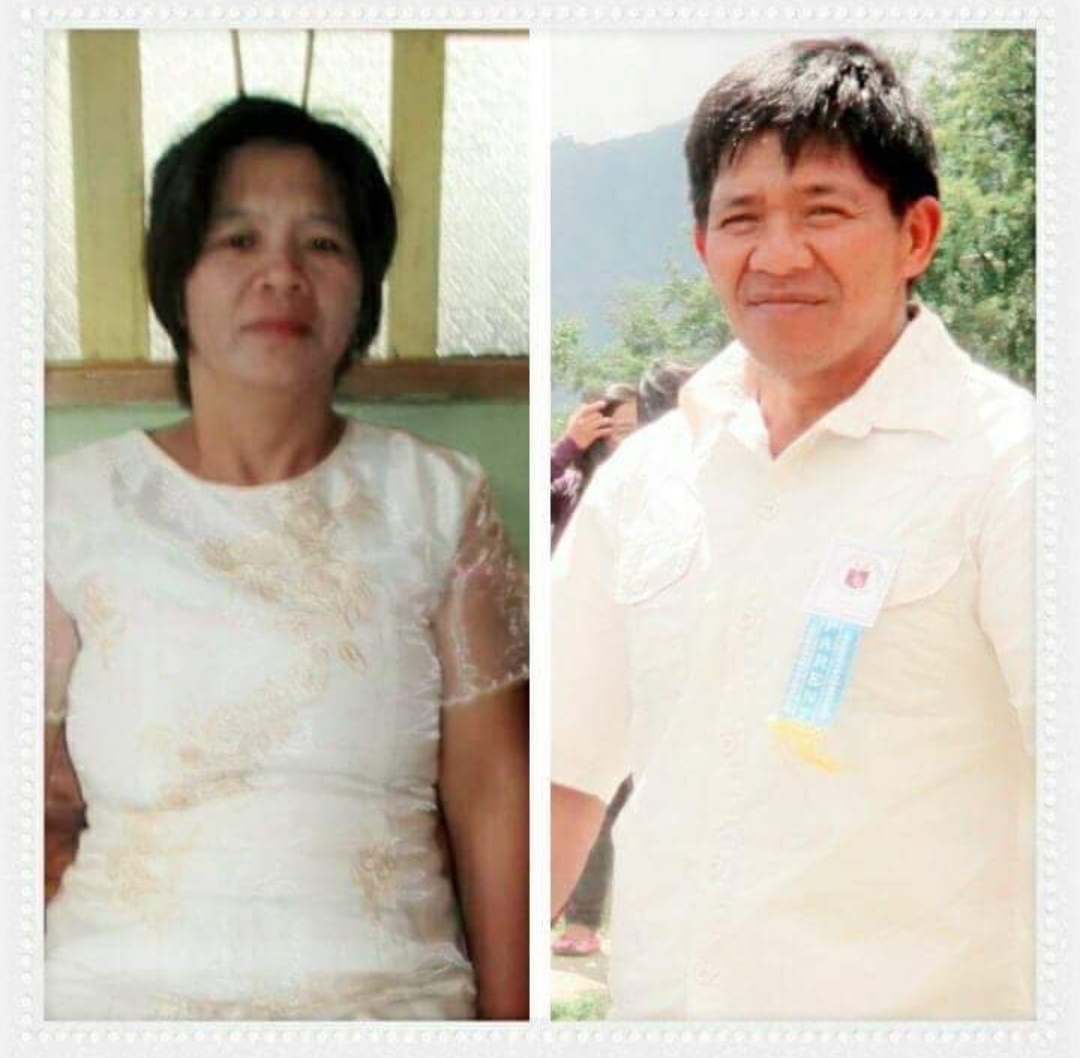
All the pictures of couples I included here are testimonies of lifelong marriages resulted from kalon. Hope this last picture inspires you. 😉
One of the few oldest couples in our barangay. Married for more than 60 years with 11 children, and blessed with 71 grandkids including their great grandchildren. Meet Mr and Mrs Dapigan Minas. Photo credit to my cousin, Manang Sandra.

 Bevz' Tidbits
I love it. 😍
LikeLike
adi mayat e kalon?
LikeLike
depende cguro nunta both parties, para hun higak mayat met i kalon as our practice
LikeLike
Should it be practiced?
LikeLike
personally, yes it should still be practiced, but again any result will still depend on both parties 😊
LikeLike
Nyahaha. Pilit ma a? Hehe
LikeLike
haha depende nunta makalon ma ah nu manpa pilit 😂
LikeLike
Ay. Pilit ja kenxat. Kalon ngarud.? Haha
LikeLike
haha unayen
LikeLiked by 1 person
Pafolow ak ga ngo? Haha
LikeLike
haha wen adi ipadah mu 😆
LikeLike