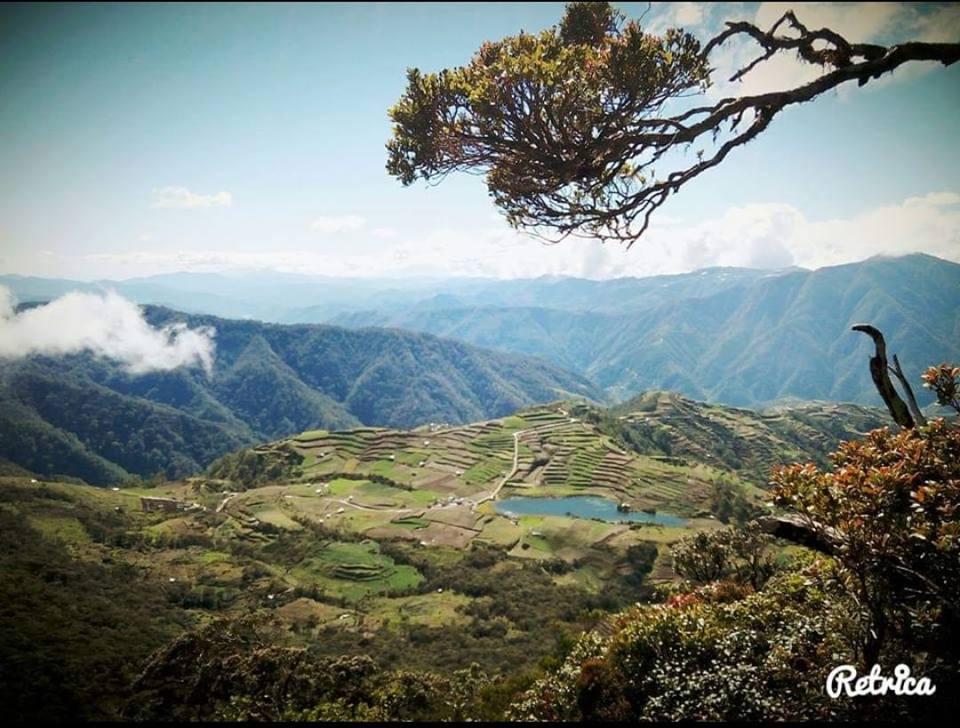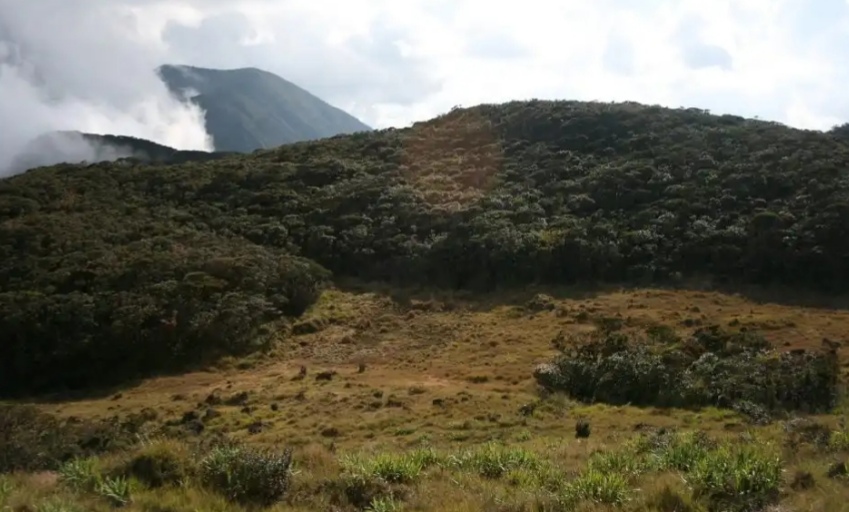
Inkoloh Lake

IMG_20181116_124204
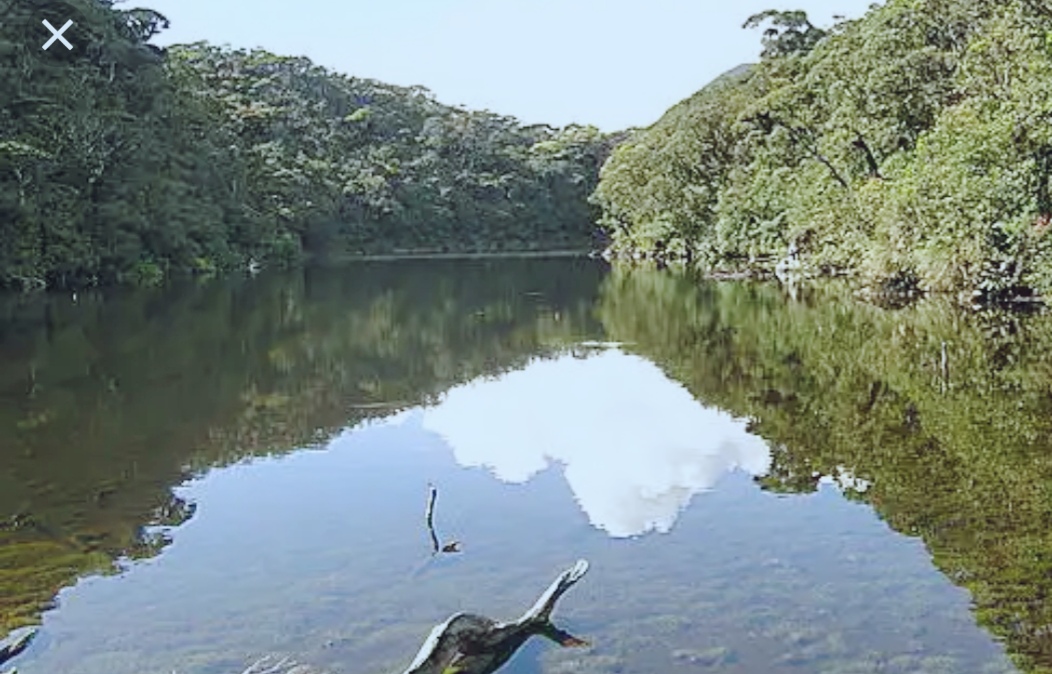
Guess where the lake is…

in.ko.loh

/en-ku-luh/

verb

*to make the water flow / to drain the water through a canal

If you read my previous blogs, i already shared about the folklores of the first two lakes among the 4 lakes in Barangay Ballay in Kabayan, Benguet.

Among these lakes is Inkoloh lake, a.k.a Incolos lake. Our dialect is kalanguya, therefore we will follow what our ancestors named the place, inkoloh.

According to tales, there were set of friends who went hunting, and had to rest by the lake to cook and eat. These hunters were able to catch a mak-wah (deer) and butchered it. One of the hunters went to the lake to wash the intestines. As he cleaned and washed the intestines, he noticed that there were less and less of the intestines left. He then saw that a gigantic animal ate the intestines.
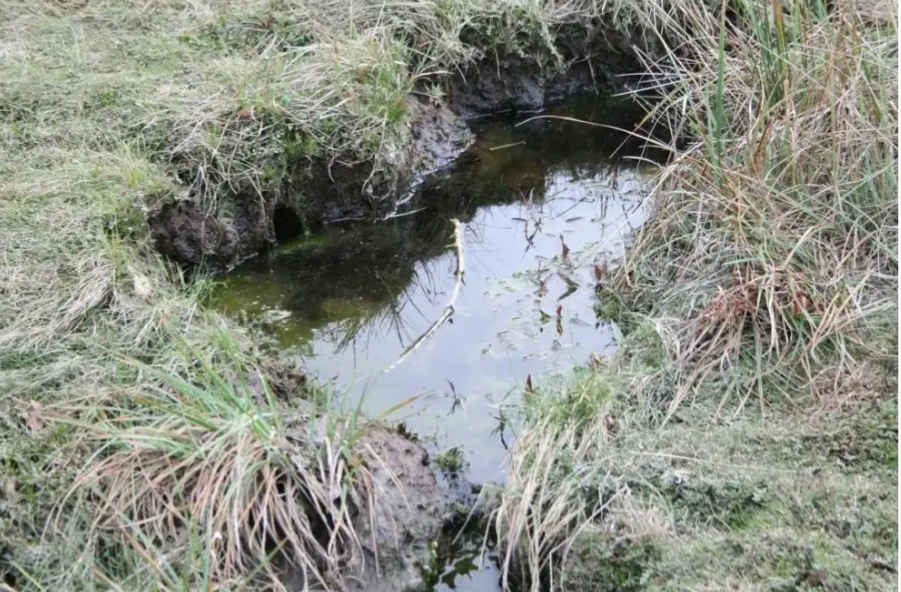
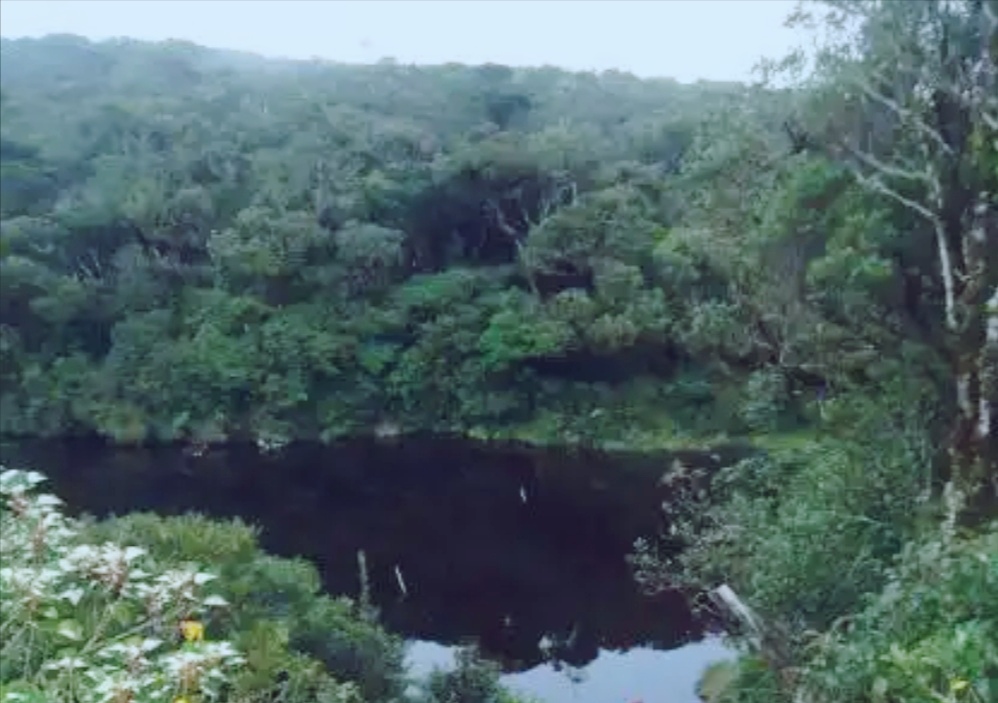
IMG_20181116_124117.jpg
a minute part of the lake

This certain hunter went back to where his friends were and told them what happened. His friends didn’t believed him and thought he hid the intestines for himself. To prove his innocense and what he told them was true, he challenged his friends to go back to the lake so he can show them which really ate the intestines.

The group went back and they dug a canal to drain the water from the lake. As different species of fish swam in the canal, the hunter shook his head saying those were nit what he saw. Until the biggest scaled animal came out (probably a crocodile of some sort), and at last he nodded his head. The said hunters aimed and threw their spears to the said animal. Blood splattered and everything it touched died, including the hunters who killed the animal. As per the story, the only survivor was the hunter who was accused of hiding the intestines.

So, the named ‘Inkoloh’ came from what the hunters did to drain the water from the lake.

Now, when you visit this place, do not look for the lake because all you see is a grassland. The lake is beneath the grassland. Just be careful because it’s more like a quicksand, when you step on it and it cant carry your weight, then you will find yourself beneath it.
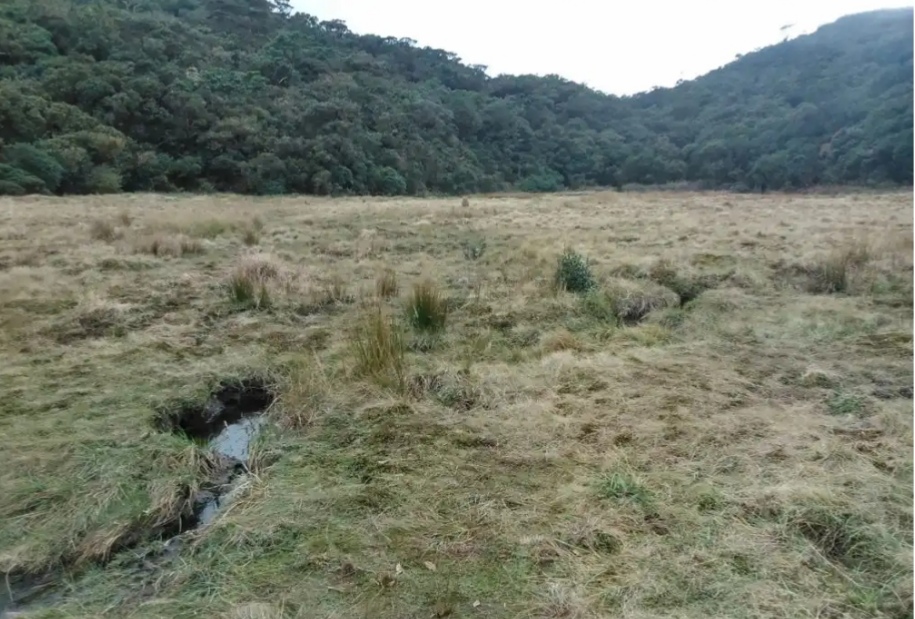
IMG_20181116_124053.jpg
a closer look..and you will notice the crack outlining the canal-like form

Inkoloh lake is just at the base of a mountain called Junior Pulag. From this lake, you can trek for few minutes and you will be on the 4th lake, Latep Ngapoh. I will talk about it in my next blog.
How Lake Ambulalakaw Got it’s Name

IMG_20181114_134852.jpg
A close up view of the lake when it’s not foggy

In my recent blog, I shared the tales about Tabayo Lake. Among the 4 mystical lakes of Ballay, Kabayan, Ambulalakaw is the most visited lake aside from Tabayo lake. Maybe because tourists don’t need to trek far. This lake is just above  the provincial road connecting Barangay Ballay and Tawangan.

IMG_20181116_125819.jpg
Just 3 steps from the road and you will be taking these steps going up to the lake. it’s just about 2 mins to go up.


Same with the other lakes, there are different versions of the folklore about this lake.

However, i will just provide the common tale that was passed on up to this generation. This also came from an interview I had with one of our tourists guides, Mr. Santiago Balagan. He said this folklore came from different sources, which were the elders in the community.

A long time ago when there were only few settlers in the place, whenever there’s a ‘kikan’ (gathering/occasion) people see a bulalakaw (maybe now it’s what we call a shooting star), going to the direction of the mountain where the lake is situated. They were not aware then that there was a lake in that part of the mountains.

IMG_20181116_124317.jpg
Just 10 more steps going down and you will be up close and personal with the ice cold water of the lake.

The common livelihood by then was hunting. Eventually, hunters discovered the lake and settlers named it as ‘Ambulalakaw’ means the home of shooting stars.

It was also a mystery to the people by then as to why shooting stars land on this lake.

But on one hand, according to my grandfather, my great grandfather told him a tale that what was perceived as the ‘bulalakaw’ was not a shooting star but a flying eel. They call it as ‘kiwet’ (eel), which matured and eventually flew. Some people then believed that it was the flying eel which usually land to the lake.

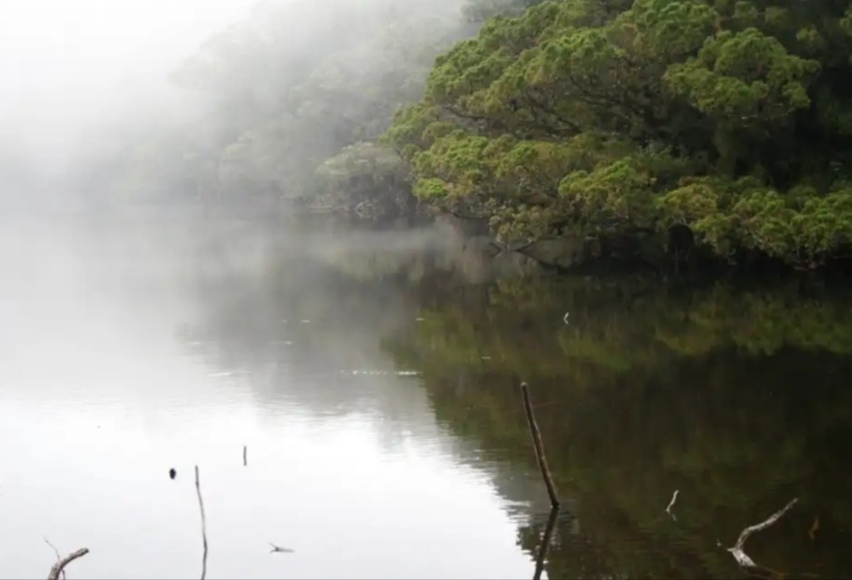
IMG_20181116_124001.jpg
when the fogs kiss the lake

IMG_20181114_135041.jpg

Again these are tales from which were told and passed on for generations, altered perhaps by some elders as years passed. And thanks to our elders who are still alive to share these folklores to the youth.

Tabeyo Lake Tales


The lake

IMG_20181108_113319.jpg
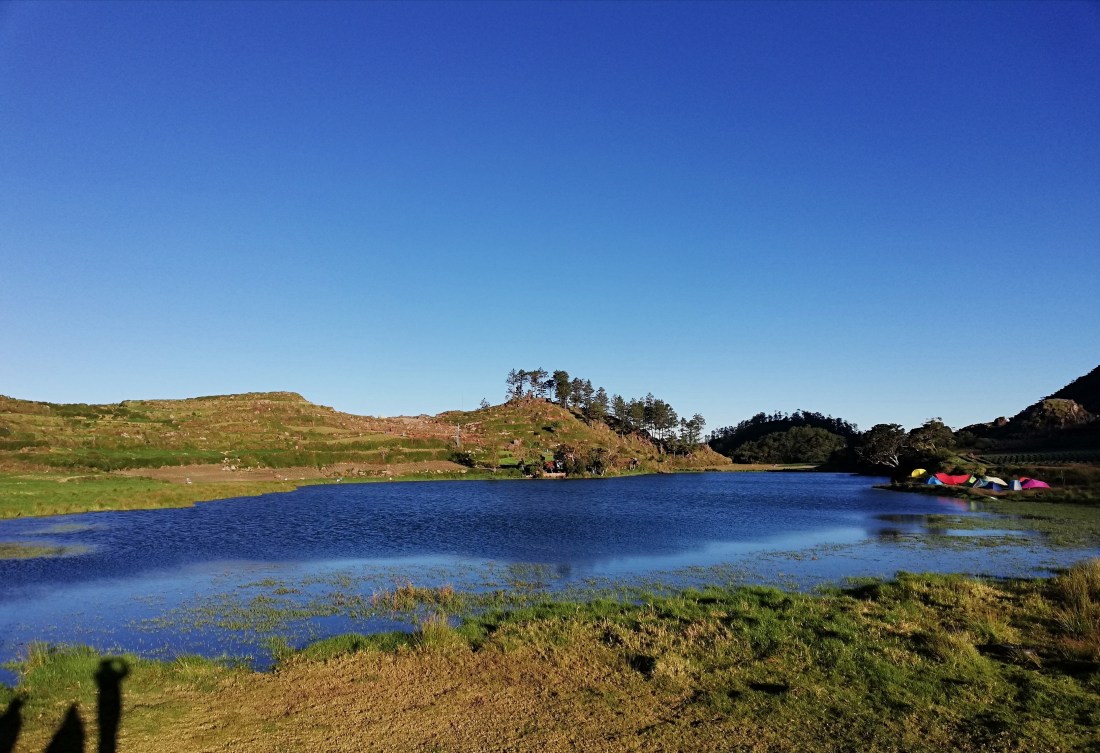
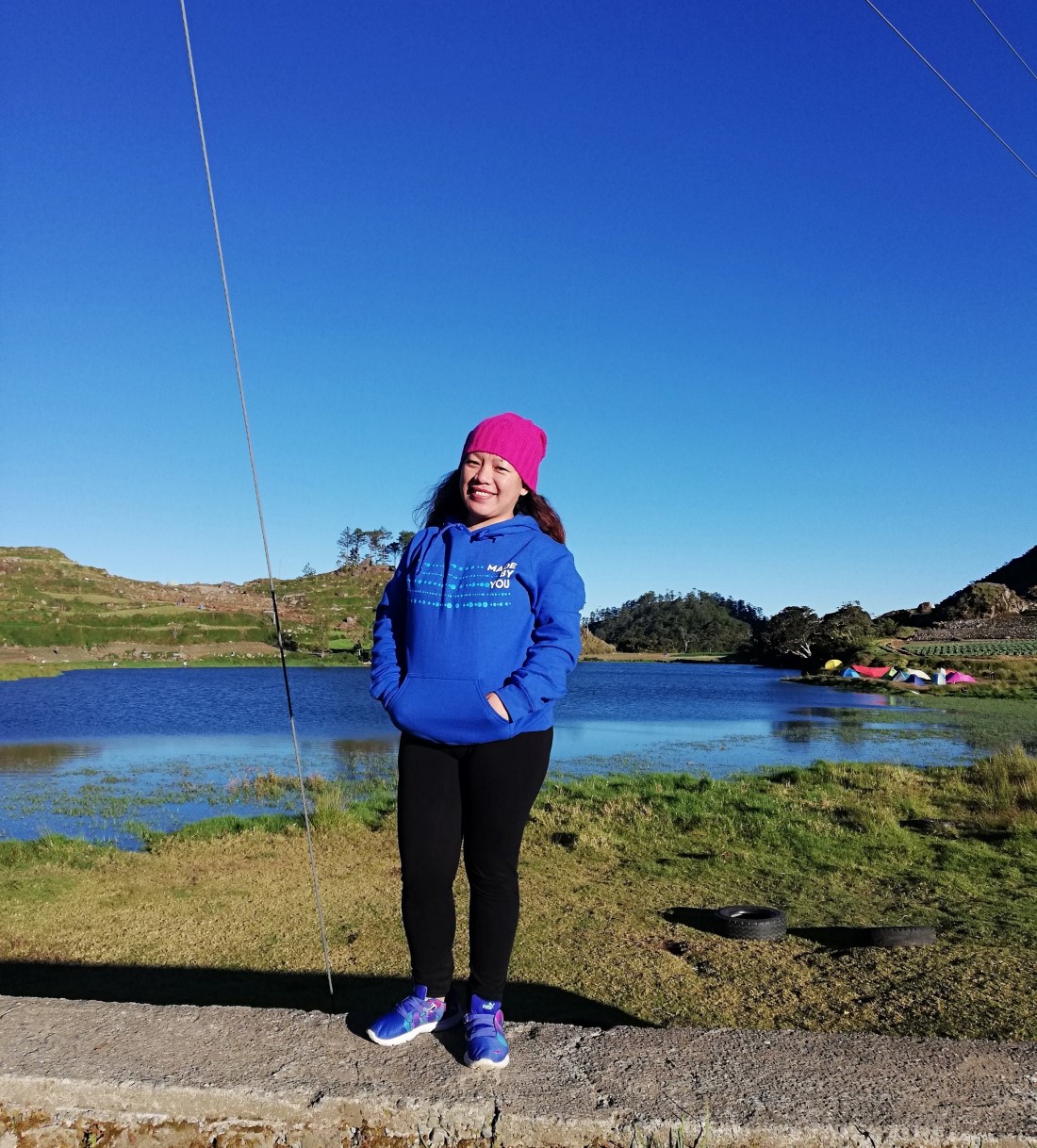
Tourists can set up their tents around the lake

Due to the booming tourism industry in Kabayan, you might’ve already visited the Four lakes located in our Barangay, Ballay. If not, you might’ve heard about it from friends or saw pictures or videos of other bloggers on social media and on local television.

The focus of this blog is to share with you  the folklore of these lakes. Tales that we heard from our lolong and lolang (grandparents) passed on by our ancestors. I will start with Tabayo lake.

This lake is the first one that you will see when you visit the 4 lakes. It is just on the base of Mt. Tabayok, which is the second highest mountain in Luzon.

45111578_2318918701513557_5134873765917753344_n
The top view of the lake taken halfway to the first peak of Mt. Tabayok

The folklore says, a long, long time ago, when man and woman were made, there were works that need to be done. There was a work which needed to be completed in 5 days. One version of the tale was the agreement was for the man to work and the woman to bring his food on the 5th day. However, for some reason, the woman went up to the mountains and brought the man’s food on the third day. The kalanguya term for this is ‘hinuknulan to’–means she disrupted the work and was never completed, therefore the lake was just small since the man didn’t finish the job.

Another version of the folklore was somewhat related to the first. According to Mr. Balagan’s sources in the community, it says that there was an agreement between maybe friends or a couple to work in the mountains for 7 days. No one should disturb the man until it’s completed.However on the 5th day, the woman went up the mountain and ‘hinuknulan to’–disrupted the man. So what happened was that the man went around with his guts (intestines) dangling (gory i know) until it formed the lake, now called Tabayo lake.

These versions of the folklore should live upon us. Yes, there are a lot of people who had seen the lake, enjoyed its serene surroundings and lush mountain side, but little did they know about these tales, specially the youth in our barangay.

The lake is a habitat for few species of inland water fish. We have what we call ‘yoyo’–sort of elongated mud fish, we have ‘karpa’–fresh water fish and cat fish. Locals can fish in the lake. Tourists can set their camps surrounding the lake and feel the cold breeze at night and early in the morning.

btr

For you who haven’t set foot in our place yet, when you feel like moving away from the pressing lifestyle in the city, pack your hiking gears and come enjoy what nature provides us.


IMG_20181108_113247

Sources:

* Mr. Santiago Ballagan, one of the tourist guides in our community. He gathered the tales from different sources like elders in the barangay. He was kind enough to share these tales with me.

IMG_20181108_113134.jpg

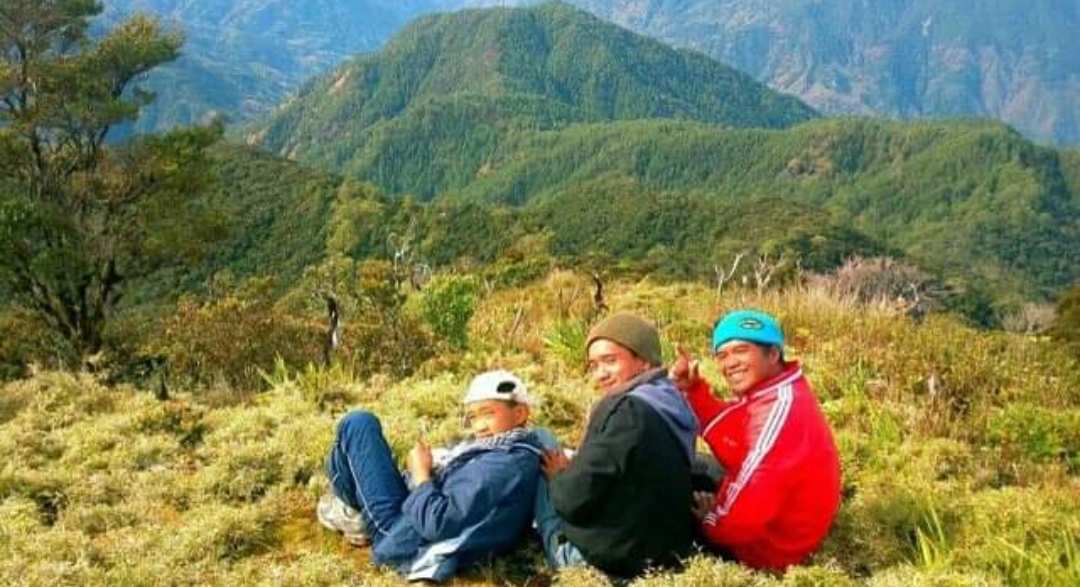
Manong Santiago and sons–now its more of a family business to guide tourists around

* Baldo Atiw, my grandfather. When we were kids he used to tell us these folklores.

IMG_20181108_115436