
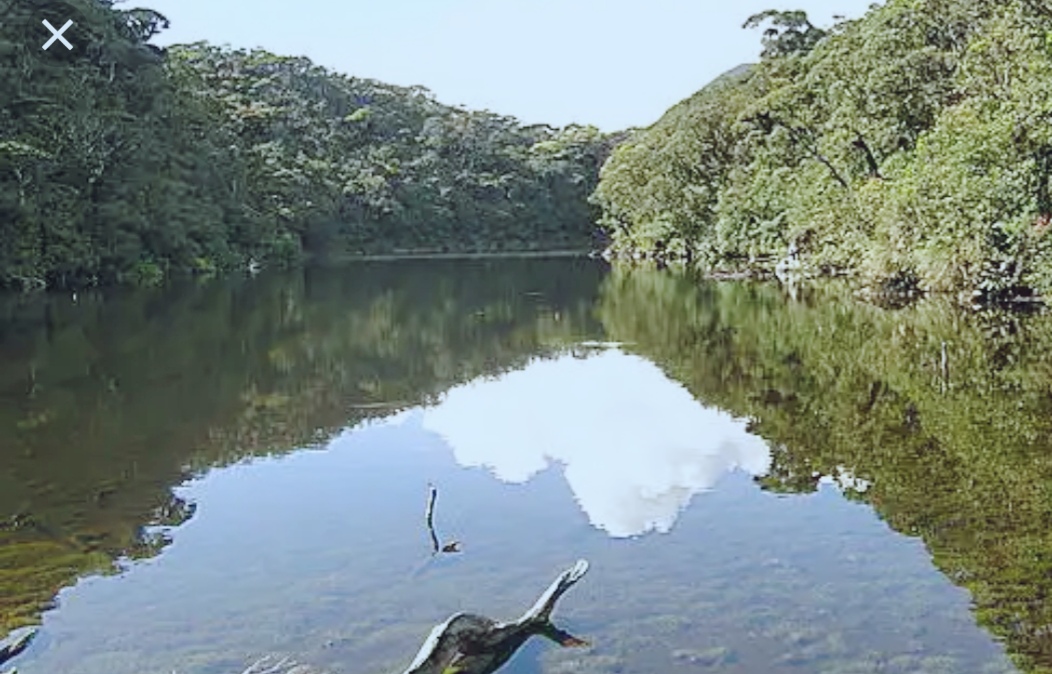
In my recent blog, I shared the tales about Tabayo Lake. Among the 4 mystical lakes of Ballay, Kabayan, Ambulalakaw is the most visited lake aside from Tabayo lake. Maybe because tourists don’t need to trek far. This lake is just above the provincial road connecting Barangay Ballay and Tawangan.
Same with the other lakes, there are different versions of the folklore about this lake.
However, i will just provide the common tale that was passed on up to this generation. This also came from an interview I had with one of our tourists guides, Mr. Santiago Balagan. He said this folklore came from different sources, which were the elders in the community.
A long time ago when there were only few settlers in the place, whenever there’s a ‘kikan’ (gathering/occasion) people see a bulalakaw (maybe now it’s what we call a shooting star), going to the direction of the mountain where the lake is situated. They were not aware then that there was a lake in that part of the mountains.
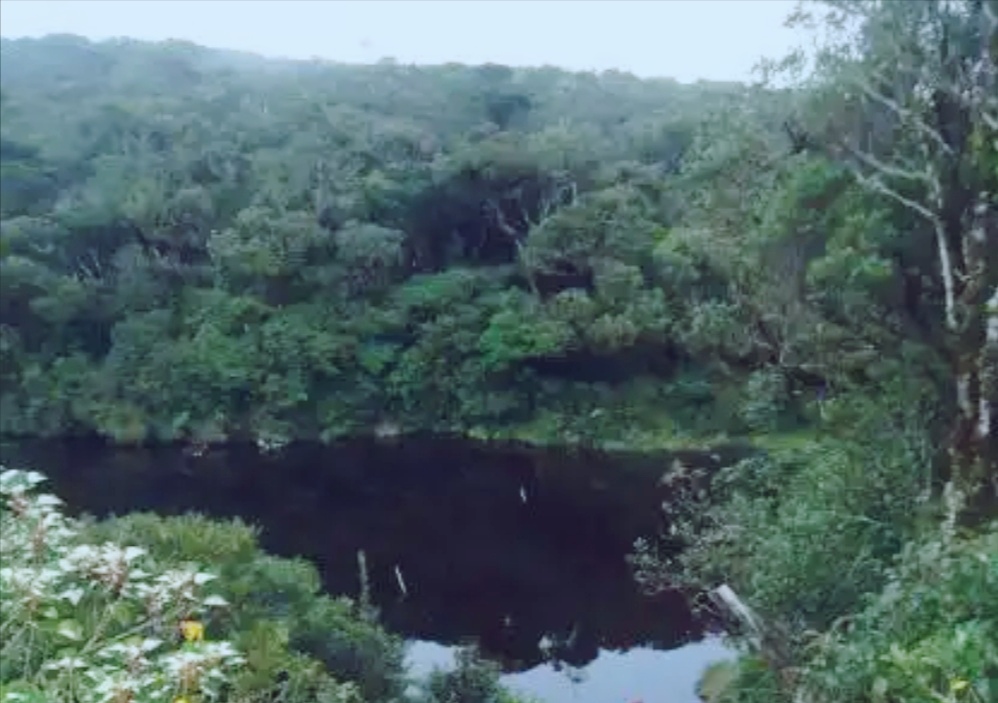
The common livelihood by then was hunting. Eventually, hunters discovered the lake and settlers named it as ‘Ambulalakaw’ means the home of shooting stars.
It was also a mystery to the people by then as to why shooting stars land on this lake.
But on one hand, according to my grandfather, my great grandfather told him a tale that what was perceived as the ‘bulalakaw’ was not a shooting star but a flying eel. They call it as ‘kiwet’ (eel), which matured and eventually flew. Some people then believed that it was the flying eel which usually land to the lake.
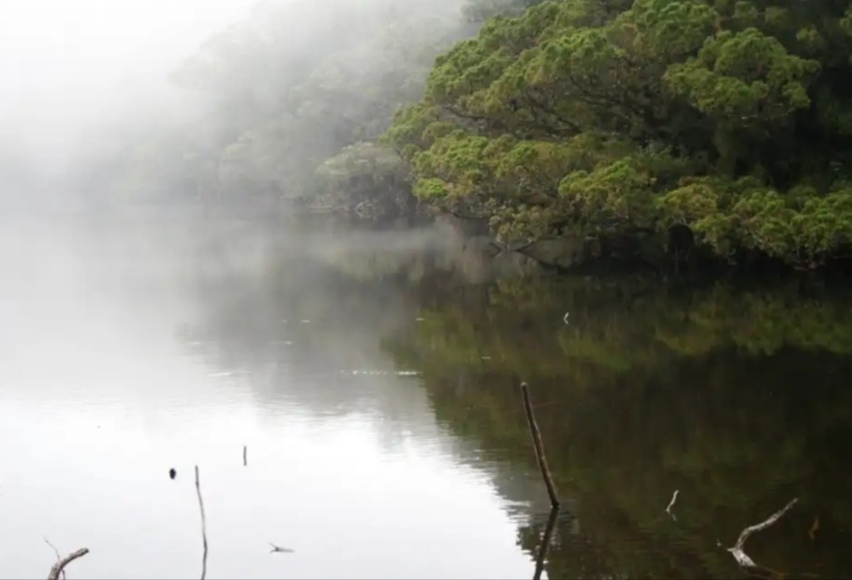
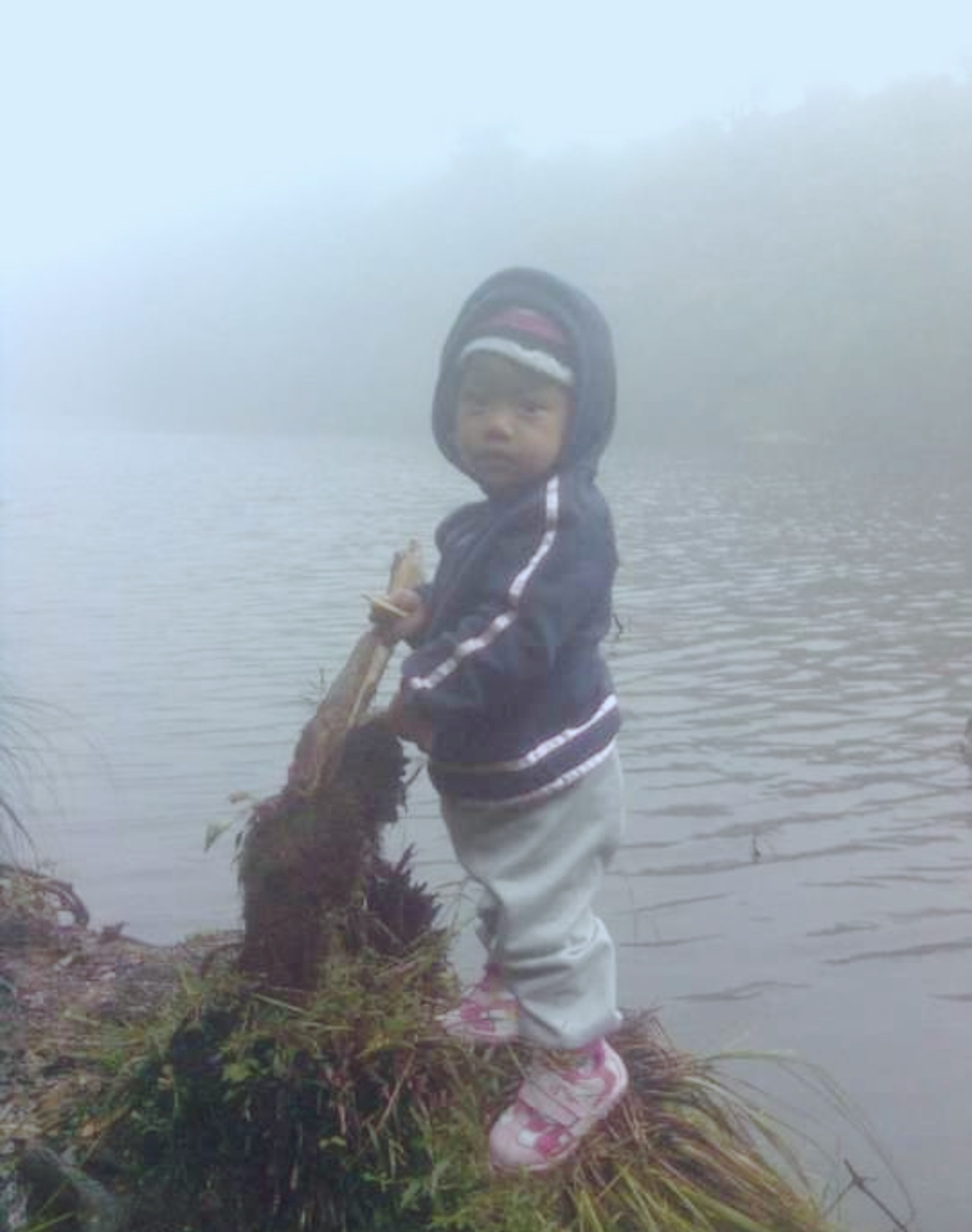
Again these are tales from which were told and passed on for generations, altered perhaps by some elders as years passed. And thanks to our elders who are still alive to share these folklores to the youth.
 Bevz' Tidbits