
It is a tradition in the Cordillera region to have feasts. The popular and common feast known to many is the Canao. Each tribe in region CAR has a distinct version of this feast and for us, the Kalanguya tribe, we call it ‘Padit’ (reunion of tribes/ thanksgiving).
I remember when I was a kid, we used to pass by a certain house in Buguias area which has a lot of carabao horns as ornaments and hanged in front of the house, and on the fences. According to my grandfather, the more animal horns you see in someone’s property, the richer the person is. And I was able to understand it when I became older. Let me tell you why.
Padit is an eight-day feast. And to today’s standard, we might as well say, extravagant. The animals being butchered start with pigs, then cows, carabaos, and sometimes horses, depending on the recommendation of the mabaki (priest).
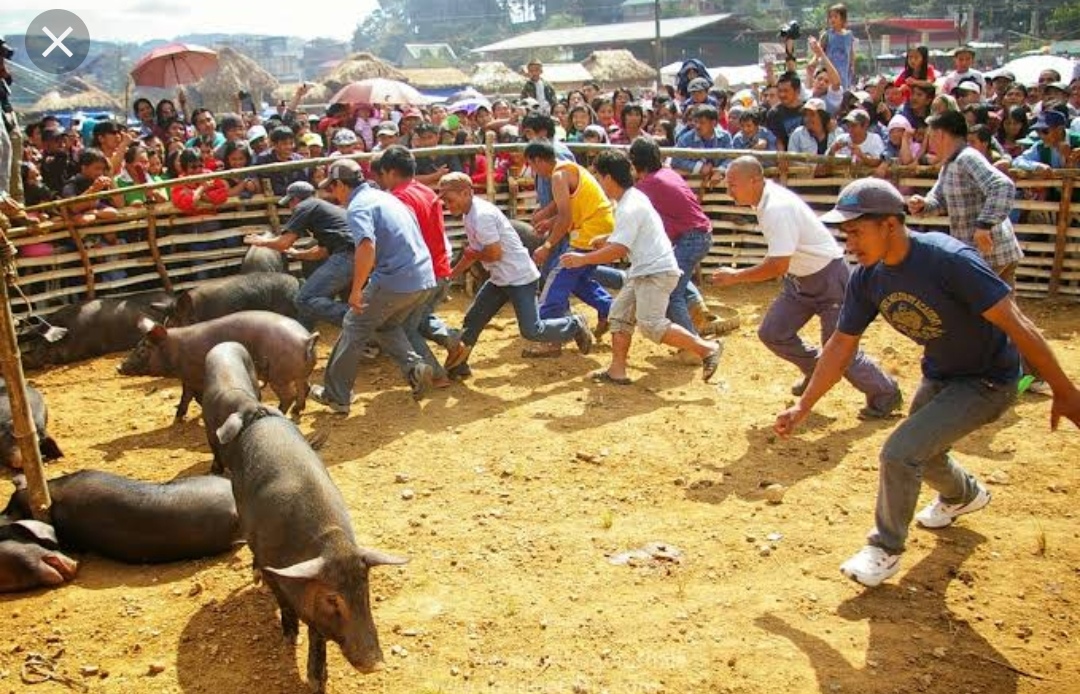
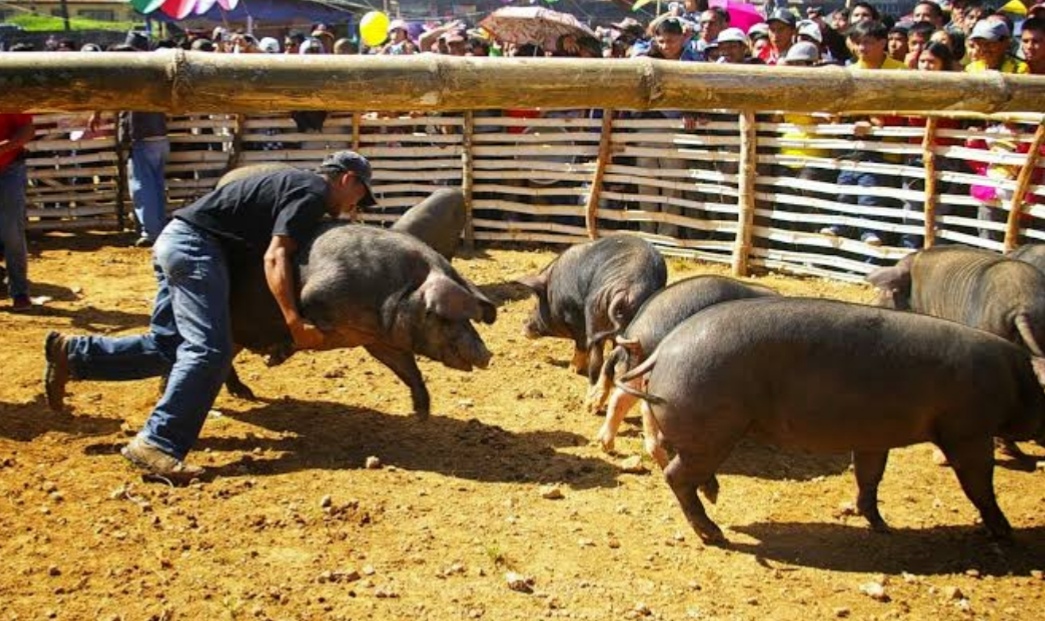
On the eve before the first day of the feast, it’s the binaykat (guests from distant villages) arrival, and a pig is butchered for their dinner. On the first day, a number of pigs are released to a fenced cage in the yard (luhod), caught and wrestled by each representative from the binaykat. Each representative will use a handy wooden spear-like stick (uwik) to kill the pig. The uwik is normally thrust into the pig’s side, directly to its heart. After this, usually the elders or any member of the community will play the gongs and the hosts will start with their first tayaw (cultural dance).
A baki (prayers) will be done by the mabaki before lunch, followed by more dancing. On the second day, the host wont butcher any pigs because they will cook the heads of the pigs which were butchered the previous day. These will be the food to be served to all the binaykat (guests).
On the third day, a minimum of 3 pigs will be butchered, however the 4th-7th days are the rest days. On the last day, a medium-sized pig will be butchered and be consumed before the binaykat’s departure. During this day, they perform the hinagawhaw. It is some kind of a victory dance where a human head made of fern tops is put up on a pole and placed in the middle with a big jar of rice wine, where they dance around.
This privileged feast has stages/ascents depending on the status of the person in the community. It usually starts with what we call manattallo (starts with 3 pigs). It means a person having the padit will butcher 3 pigs. If this person progressed and say has more harvests and or was blessed with more wealth than what he used to, then he will do tukmang ni tallo (pair of 3).
Once this person progresses, he will have manlimma (5 pigs), then after is the tukmang ni lima (pair of five). After which is the manwalo (8 pigs), followed by tukmang ni walo (pair of 8). Finally, if this person keeps on progressing he will then reach the manambakid (the tenth), which will make him kadangyan (titled rich man). He will have a prestigious status among the people, as far as he is known.
This tradition, however is rarely done nowadays. In our barangay, the last time I was able to attend a Padit was when I was in fourth grade. People of today have thanks giving ceremonies but it’s not a padit because it only lasts for a day.
This blog was not possible if not for the information I gathered from Rolyn Sinak-ey, who created the Lusod Official website, and gave me her permission to use some details from her website.
 Bevz' Tidbits