I am no writer--well, not professionally, but i do love expressing my thoughts by writing. I don't use big words nor beautiful words when i write. Writing is more of an outlet when i am emotionally down or when I am feeling extra happy. Back in college, I studied Mass Communications, and well, both my journalism and magazine writing subjects' outputs were just fine, not excellently done. I guess what I am trying to say is, just feel free to read anything i write here, and feel free to be my critics :)
Being an indigent, writing about our culture and our lifestyle is something that I want to do. Though the reason why my blog's entitled bevz' tidbits is that I will write some other stuff that are of my interest.
Rejection is painful and can wither our self confidence . We can be rejected in every aspect of our lives– at work when proposals are not accepted, at school when projects/papers are returned, and of course when we are rejected by someone we like/love. However in this blog, I will talk about what we call ‘hodhod’ (when someone changed his/her mind on a marriage arrangement previously agreed upon by both parties), and it’s consequence.
In my recent blog, I talked about our Kalanguya practice, Kalon. I also mentioned about another type of marriage arrangement which is Tulag. This happens when a woman and a man agreed to be married, or when parents of both parties agreed on having their children be married at a right time. (the arrangement can be done either before the children are conceived, or born, or when they’re all grown up).
A piyan mo ni man ahawa kita
Not all marriage arrangements are adhered to. Say, the elders went to the woman’s house for a Kalon and initially the woman said yes to the proposal, but at a later time, she changed her mind, this is one scenario when ‘hodhod’ happens. Another example is when parents of both parties agreed that their children will marry in the future, but either the man or the woman won’t want to marry. Then we say ‘hinodhodan to’ (he/she changed his/her mind and said no, and broke the ‘tulagan’ – – agreement.)
And the same with other laws, or agreements, if broken, there are consequences. In our tradition, the consequence will be to butcher pigs for the community’s consumption. That it will be known to the public that he/she broke the agreement and his/her punishment is to make ammends by having pigs be butchered for ‘watwat’ – – food for everyone (it’s also possible to butcher cows or carabaos, it all depends on what was agreed upon by the parents and community elders as a punishment).
In this times though, it’s rare that we have to attend a ‘kikan’ (feast) due to Hodhod. Actually, I haven’t even witnessed one. This says something about our tribe, that we honor our words. I’m not saying all, but in general. This is because we always say ‘inayan’. (synonymous to karma–we say inayan when we fear that something bad can happen when we do something bad).
Hodhod in marriage arrangements may cause a bad blood between the concerned parties, but not quite, as long as the person who backed out from the agreement will make ammends, eventually, both parties will move on.
We, the Kalanguyas, are proud of who we are. We know that we have flaws and our traditions might be looked down on by others, but we also know that our culture is rich and will always be happy of who we are. Technology may deter us and have our youth try to change and adapt to the lifestyle in the city, but wont forget who we are and where we came from.
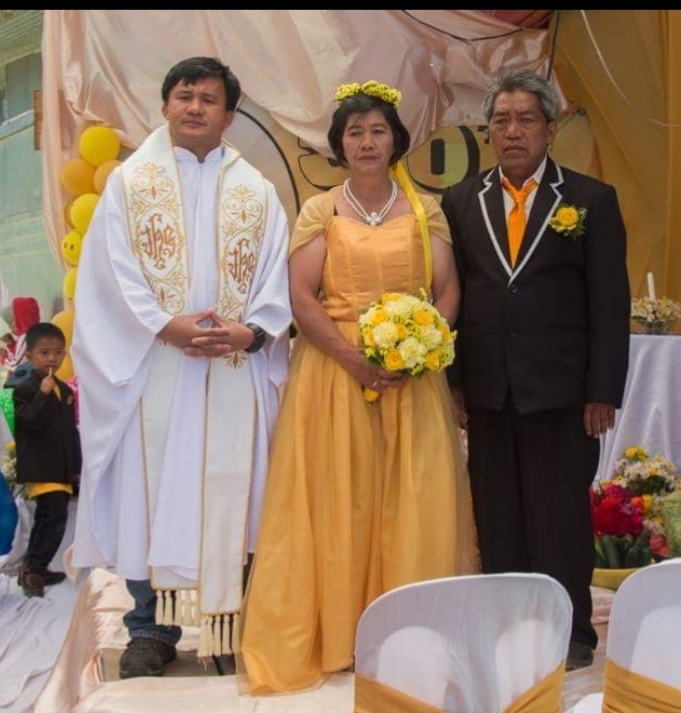
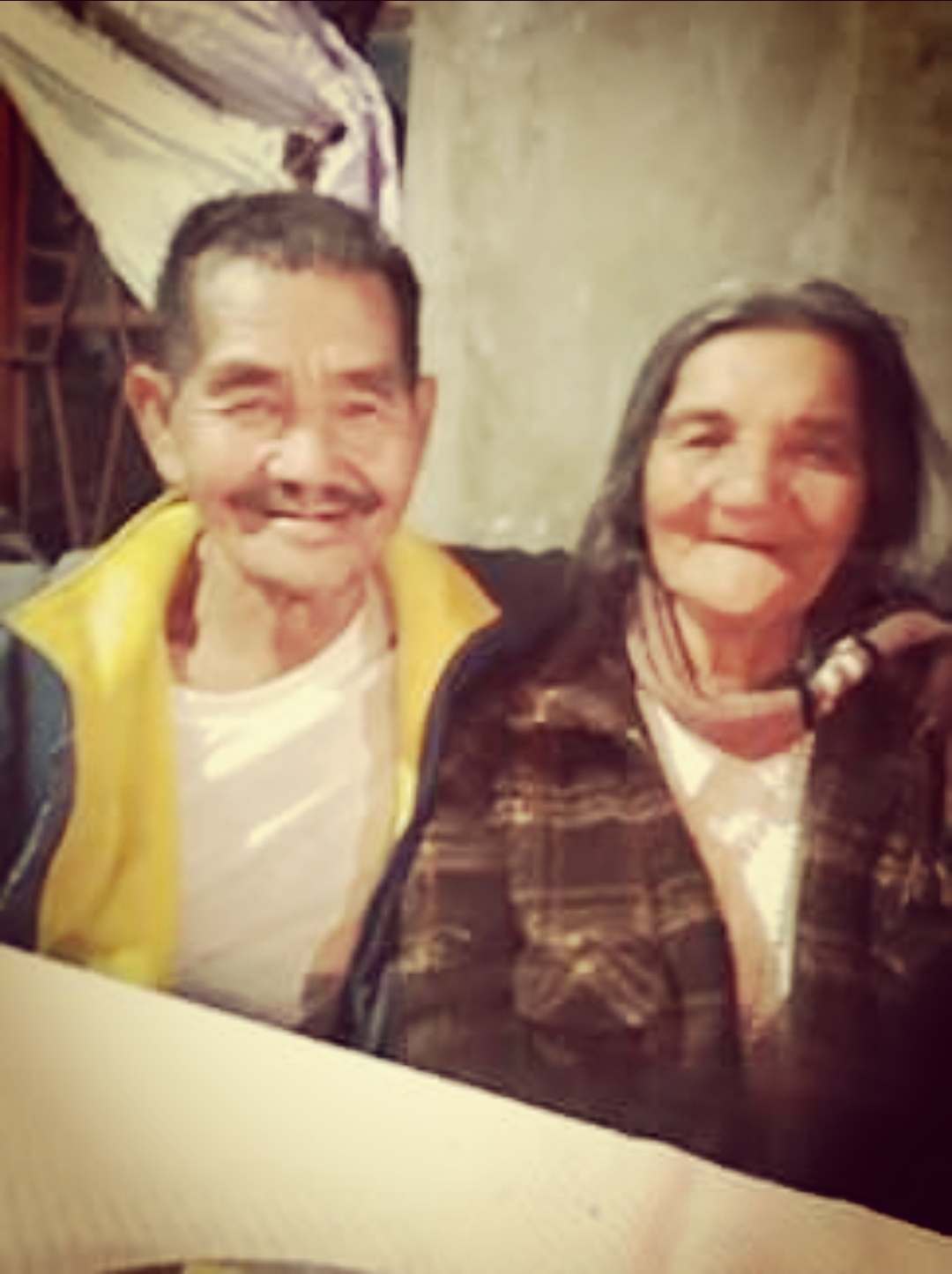
Mr and Mrs Ben Salbino–taken on their golden wedding anniversary and renewal of vows. To date they have 26 grandchildren and 2 great grandkids. They are blessed with 13 children. Photo credit to their daughter, and a good friend of mine, shelanie.
As technology advances, so as the way single men and women interact. Often than not, relationships start and end through text messages, instant messages or video calls. This is just merely my observation–and yes somewhat my personal experience.
Sometimes, what we wanted is a long lasting romantic relationship but we got no patience of what it takes to nurture such kind of relationships. Again I am merely stating my observations. I’m no expert when it comes to relationships because my lasting relationship is just between me and my job, my marriage life only lasted more than a couple of years because death intervened (which I may talk about at another time). Relationships come and go and for those who are at ‘the right age’, finding Mr right or Ms right seems elusive at times. If possible, if they meet someone who seems Mr or Ms right, they want that someone for keep.
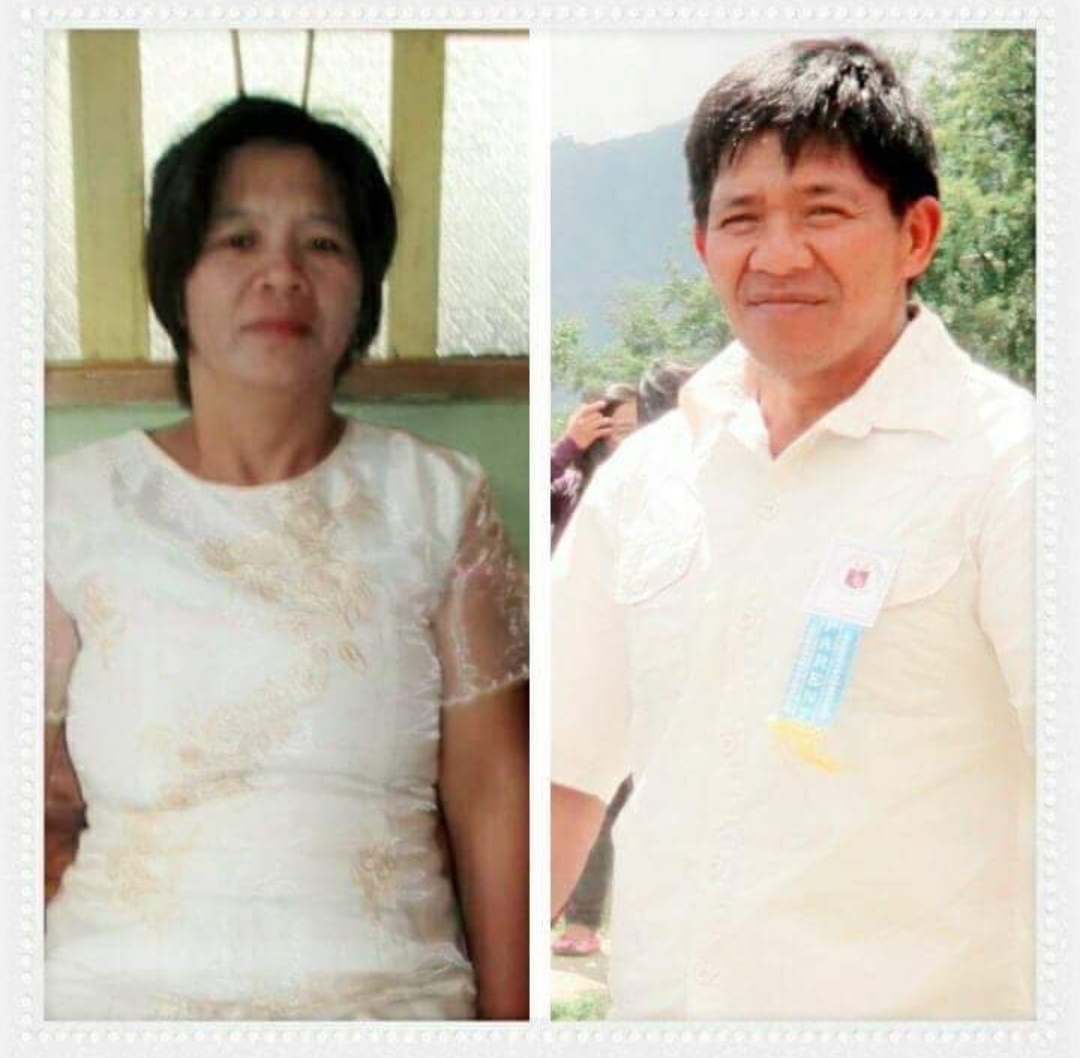
A couple blessed with 8 kids, as of the moment, they have 5 grandkids. Meet Mr and Mrs Fangonil Minas, married for 37 years and running. Photo credit to my cousin Manang Sandra.
In our Barangay (Ballay) in Kabayan, I’ve witnessed relatives’ and friends’ parents who are still together for 50 or so years. And if we are to look at how they started in their relationships, most of them didn’t know each other and hadn’t had romantic relationships prior to marriage.
Kalon–this is one of the types of arranged marriage started by our Kalanguya ancestors. I know in some places Kalanguya or not, they also have this kind of practice. We have two types of arranged marriages, one is what we call ‘tulag’, but I want to talk more about kalon.
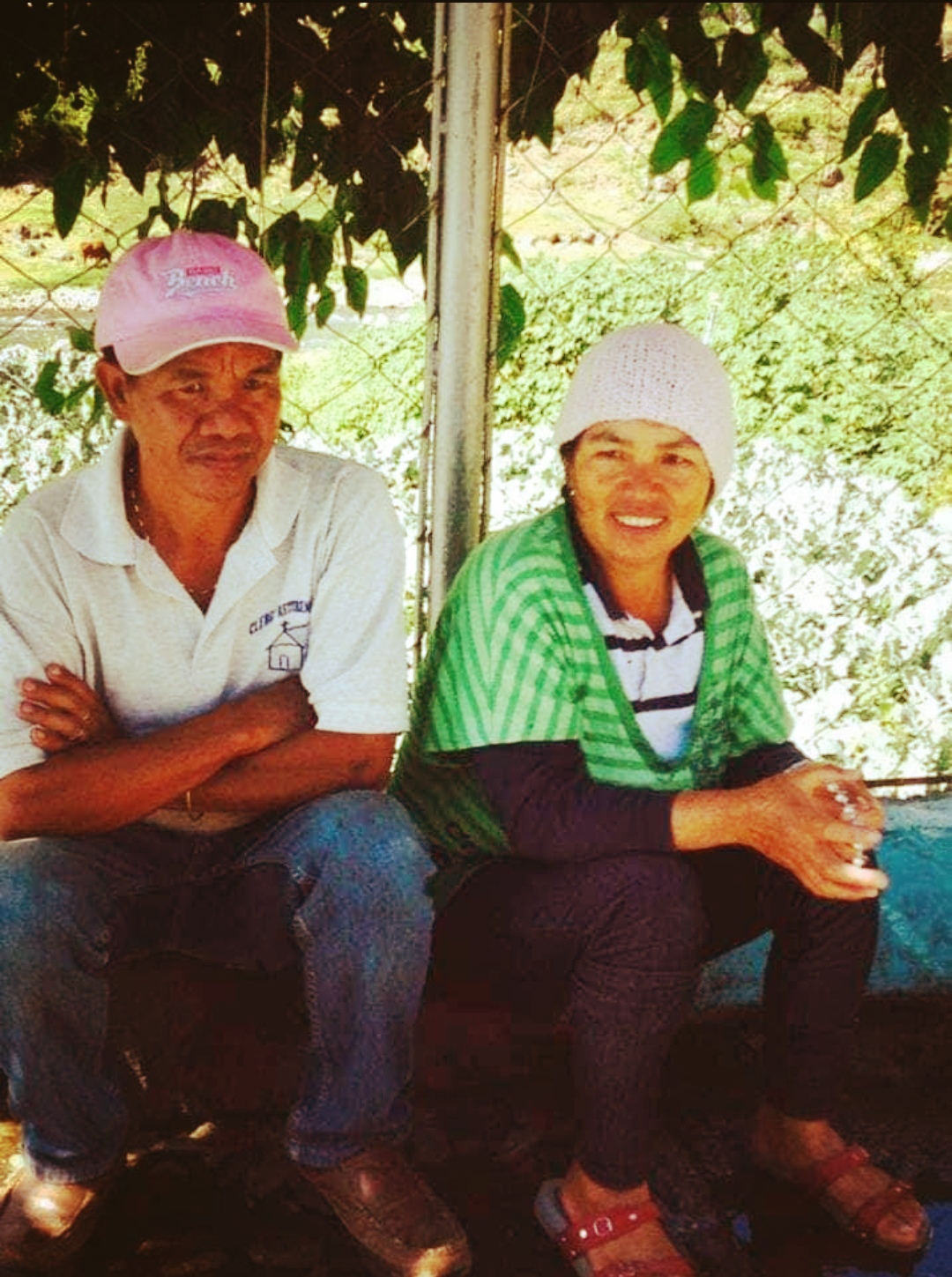
My uncle and aunt, Mr and Mrs Virgilio Atiw, married for 30 years, still happy together, with 9 kids and a grandchild. Photo credit to my cousin, Jovy Ann
Kalon happens when a bachelor asks reputable elders in the community to accompany him and his parents to the young woman’s house to ask for her hand. Or if parents then deemed that their young lad is ready to settle, then they will ask the elders to go to a young gal’s house for her hand. Normally, the elders will ask the young man to bring tapey (rice wine) during the scheduled visit to the lady’s house. Kalanguya, in general, don’t usually express and show what they feel (when it comes to romantic relationships, even familial relationships). And definitely, then, public display of affection was a taboo. (not quite a taboo now, but we aren’t comfortable in PDA) Anyway, at the time of the Kalon, the elders will speak of the good qualities of the man to the woman and her family. And it was said that if the woman speaks during this time then it’s a signal that she’s saying no to the proposal. Otherwise, when she drinks the offered tapey, then she accepts the proposal. Additionally, when the gal doesn’t want to drink the Tapey, the elders will ask her parents to drink it, if they do, then they accept the marriage proposal. Of course, there are times that the gal will strongly say no and nothing can be done but for the man to move on to another prospect. Or if initially the gal accepted but changes her mind about the marriage, then she will need to be penalized. This is what we call ‘hodhod’ which I will talk about in another blog.
Once the kalon is successful, both parties will agree on a wedding date. And that starts the man’s and woman’s lives as a couple. Eventually, they will learn to care, and love each other. Be patient with each other’s differences. These relationships aren’t perfect but they last. When I asked an elder in our community, to date, there’s no record of separated couples who got married because of kalon. Uncle Ben said, maybe there were but in other places and is rare.
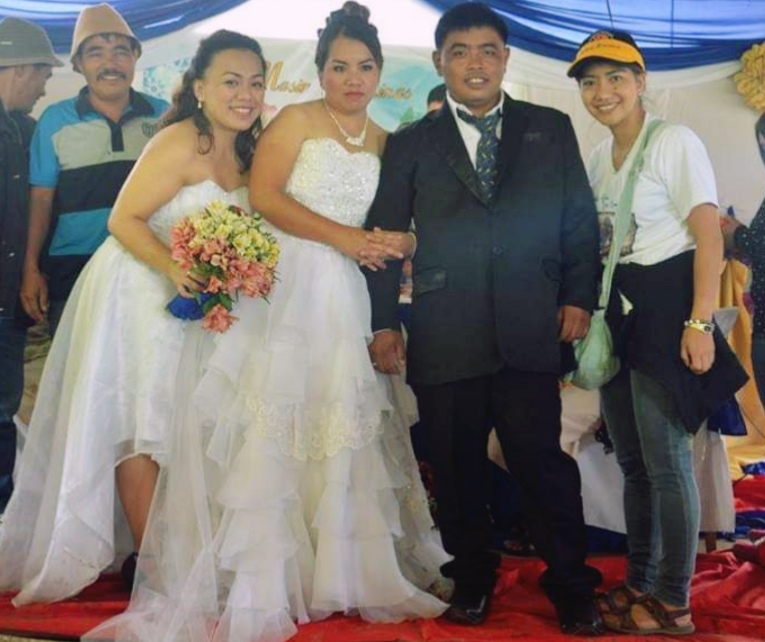
And you may think that in this modern times, this practice is diminishing… Don’t fret, it isn’t. In September 2017, I was my best friend’s maid of honor on her wedding day. She and her husband were product of kalon, and so were other 2 couples who were married recently.
My best friend’s wedding. Kalon works in modern times.
So, yes for some, though they started on rough patches, they found their happy ever after.
All the pictures of couples I included here are testimonies of lifelong marriages resulted from kalon. Hope this last picture inspires you. 😉
One of the few oldest couples in our barangay. Married for more than 60 years with 11 children, and blessed with 71 grandkids including their great grandchildren. Meet Mr and Mrs Dapigan Minas. Photo credit to my cousin, Manang Sandra.
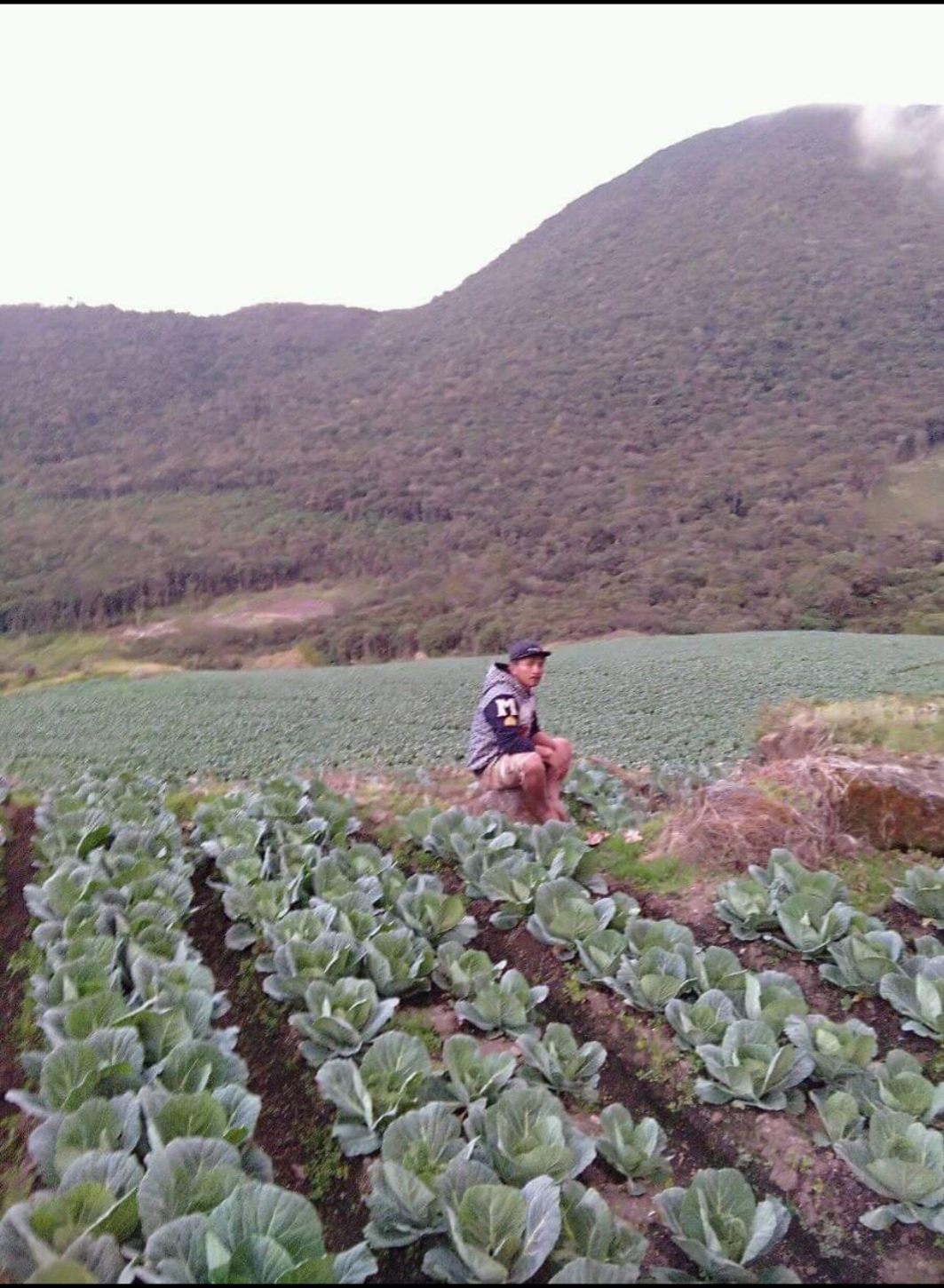
Photo credit to my cuz Juriel Jake–I used to work with my parents and siblings in this parcel of land near tabeyo lake.
I grew up in a mountainous and secluded part of Benguet where 95% of livelihood is vegetable farming. Growing up, I observed how neighbors helped each other, especially during trial times.
‘Obu-an’ is among the traditions in our place which I like while growing up. This is synonymous to the Filipino tradition, Bayanihan. When I was younger, I wished this practice won’t diminish and will be pass on to the next generations to come.
There are numerous situations when Obu-an happen. I remember when I was a kid, our relatives and neighbors will help with our farm–from plowing the vegetable plots, planting, tending and harvesting. Say 3 members of our neighbor’s family helped us, then 3 members or more of our family will help them, too. The best thing about it aside from lending a hand is there’s no monetary compensation involve–if the hosting family will offer lunch and snacks, we’ll and good, but if not then everyone will have a packed lunch which is being shared.
We do not only observe Obu-an when we help each other in our farms, but also seems like there’s a silent commitment of each folk in the Barangay to render help when someone dies. Men and women alike have their own roles during this hard time. Automatically, men will go out and gather pinewoods to use for cooking, some who have skills in carpentry will make a coffin, and others will make sure the tomb is ready before the burial, which usually happens on either the 5th or 7th day of the wake. Women, on the other hand help in cooking, and make sure to serve the food atleast once a day to all people who go to the wake. They also brew coffee and make sure that snacks are prepared for those who stay awake at night at the wake. All other works that need to be done are completed without complaints.
We only do not observe this kind of Bayanihan during trying times, but also during especial occasions such as weddings and canao’s (thanks giving).
Also, one of the things which moved me was what happened after the destructive typhoon Ompong. Kabayan was among the places in Benguet which experienced the wrath of Ompong. Not only the men who made sure that all roads will be cleared of land slides, but women brought their own shovel to help out clear the roads. Families gathered to help those whose farms eroded and houses destroyed.
Though we are saddened due to the many lives we lost during the typhoon, I am still grateful that this kind of tradition lives upto this day, considering the modernize and technologically driven world we live in.
I hope the next generation gets to experience this kind of commitment to be of help when needed.




 Bevz' Tidbits